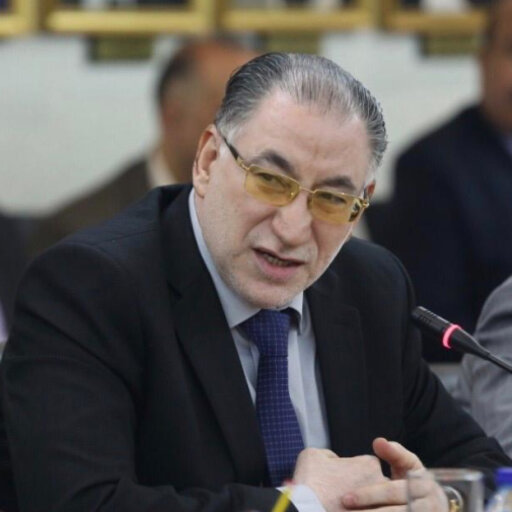
Hasan Dajah
All eyes are turning toward the Dead Sea, where Jordan is preparing to host the Jordan-Europe Investment Conference- scope of typical investment gatherings. Scheduled to officially commence on November 19, 2026-preceded by specialized sectoral events on November 18-the conference will be held under Royal patronage and feature the participation of European Commission President Ursula von der Leyen. It serves to translate the depth of the existing relationship into concrete economic ties and development projects. The conference is particularly significant as it takes place at a time when Jordan needs to expand its productive base and enhance its capacity to attract high-quality investments that create jobs and bolster stability.
Jordanian diplomacy, under the leadership of His Majesty King Abdullah II, has laid a solid foundation for a relationship with the European Union built on trust and shared interests. The comprehensive strategic partnership established in January 2025-supported by a financial and investment package totaling three billion euros-has broadened the horizons of this cooperation. Today, the conference offers an opportunity to test the ability of both sides to translate commitments into tangible outcomes, ensuring that this partnership acts as a catalyst for economic modernization, the development of productive sectors, the improvement of services, and the enhancement of the Jordanian economy’s competitiveness in regional and international markets.
The European role is pivotal, bringing together financing, expertise, technology, and access to markets. Europe can contribute to the development of Jordanian projects through its financial institutions, industrial firms and research networks, thereby enhancing the quality of investment and its developmental impact. Guarantees, long-term loans, and risk-mitigation instruments are particularly important in encouraging investors to engage in infrastructure projects. Thus, the true value of the European presence lies in building sustainable partnerships that combine capital with knowledge, linking Jordan’s needs with extensive economic and technical capabilities.
In this context, statements by European Ambassador Pierre-Christophe Chatzisavas offer significant indications regarding the progress in fulfilling financial commitments. He announced that the conference would see the signing of the second tranche of macro-financial assistance-amounting to 500 million euros-with disbursements expected to begin before the end of the year, following the previous disbursement of 400 million euros from the first tranche. This assistance, provided in the form of concessional sovereign loans, is intended to be linked to clear economic objectives, helping to bolster financial stability and foster an environment more conducive to growth and production.
The National Water Carrier project occupies a central position in this partnership; the support provided to it by "Team Europe" exceeds one billion euros, separate from the three-billion-euro package. This contribution reflects an understanding of the critical importance of water security to Jordan’s stability and future. Water is a vital element for the lives of citizens and the continuity of economic activity; its availability enhances the capacity of cities and productive sectors to expand. Consequently, investment in the National Water Carrier holds strategic value, linking development to national security and allowing the European partnership to have a direct impact on one of Jordan’s most pressing priorities.
Jordan presents investors with over forty investment opportunities, with a total value exceeding 15 billion dollars. These figures represent potential projects that require formal contracting, financing, and execution to be transformed into tangible achievements. Capitalizing on this momentum necessitates the preparation of rigorous feasibility studies, the clarification of regulatory frameworks, the streamlining of procedures, and the provision of reliable information to investors. Furthermore, it requires selecting projects based on their capacity to generate local added value, stimulate Jordanian enterprises, and expand employment opportunities across the governorates-thereby ensuring a broader distribution of the benefits of development.
Advanced industries, digital transformation, and clean energy offer promising avenues for developing economic relations. Jordan possesses human capital that can be trained to participate in more sophisticated production chains-provided that investment is linked to training, knowledge transfer, and applied research. In this context, universities and technical education institutions have a responsibility to develop joint programs with European companies that directly address the practical needs of these projects. The greater the contribution of local talent to management, operations and development, the more effectively an investment can drive sustainable economic transformation, ultimately boosting household incomes and improving the future prospects of the nation’s youth.
Jordan’s strategic location adds another dimension to the significance of this conference, particularly given the current focus on developing trade corridors, transport networks, and digital connectivity. Aqaba-along with its associated logistics services and infrastructure-has the potential to strengthen the Kingdom’s role in regional trade. However, transforming a geographical location into an economic advantage requires operational efficiency, competitive services and seamless integration between ports, roads and railways. It also necessitates stable regional cooperation, enabling Jordan to diversify its trade routes and leverage its connectivity to both Arab and European markets, while maintaining the flexibility of its economic choices.
Ultimately, the true measure of the Dead Sea conference’s success will be what follows its sessions: Contracts moving into the implementation phase, projects securing funding, the creation of jobs for Jordanians, and an increase in the value of exports. Therefore, there is an urgent need for a joint follow-up mechanism-featuring clear performance indicators and publicly announced timelines-to ensure continuity and accountability, while overcoming obstacles that might delay project implementation.
In this context, the European Union plays a vital role by providing funding, expertise, and technology, supporting the professional development of the Jordanian workforce, and integrating local institutions into European production networks and markets. Furthermore, translating this partnership into sustainable gains requires empowering the private sector, engaging universities and research centers, and ensuring that new investments benefit the various governorates-thereby fostering equitable development and equal opportunity. This follow-up process should be accompanied by the periodic disclosure of results, with an assessment of how projects influences productivity, income levels and the quality of services provided to citizens.
The conference offers Jordan and the European Union an opportunity to solidify a partnership that anchors stability in development, giving political trust an economic substance that is tangible to the average citizen. From the Dead Sea, a new phase can begin-one in which the relationship advances toward joint production, broader prosperity and a more secure future for generations to come.
The author is professor of Strategic Studies, Al Hussein Bin Talal University




 comment replay











 الرجاء الانتظار ...