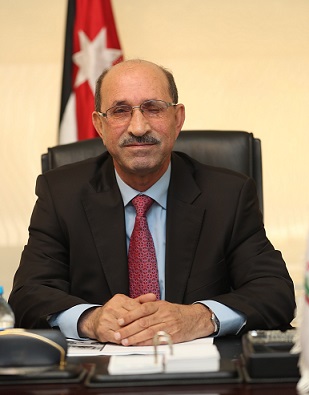
Dr. Hamad Kasasbeh
At a time when Jordan needs sustained investment to strengthen its water and energy security, the financial burdens of its electricity and water sectors continue to strain public resources. This presents an economic paradox worth examining: how can today’s investments help ease tomorrow’s costs, rather than allowing deficits to persist alongside an expanding portfolio of projects?
The draft 2027 budgets of government units illustrate the scale of the challenge. The combined net deficit is estimated at approximately JD 867 million, while the National Electric Power Company and the Water Authority together account for around JD 907 million. Their combined deficit exceeds the net deficit of all government units because surpluses elsewhere partly offset it. This comparison highlights not only the weight of these obligations but also how important addressing imbalances in the two sectors is to improving the overall fiscal position.
The sources of these deficits differ. Electricity faces energy-purchase costs and long-term contractual and financing commitments, while water must contend with scarcity and the high cost of securing, transporting and distributing supplies. These pressures explain part of the problem, but they do not make every cost unavoidable. Some expenses are inherent in providing essential services; others can be reduced gradually through lower losses, more efficient operations and better management of obligations.
New investment should not, however, be treated automatically as a cause of higher deficits. Capital spending must be distinguished from operating and financing costs. A project that strengthens security of supply may be indispensable even without generating immediate savings. By contrast, projects designed to improve efficiency should ultimately demonstrate reductions in losses and operating expenditure. Each type of investment needs measures of success aligned with its purpose.
The challenge does not end when a project is selected and funded. Another test begins once it is operating. Upgrading water networks may reduce losses, and modernising electricity infrastructure may improve efficiency, but neither outcome follows automatically from completing construction. The focus therefore needs to move beyond spending and completion rates towards measurable changes in service quality and cost, supported by published indicators that allow results to be compared with stated objectives.
From this perspective, financial plans need a clear medium-term path for deficits, distinguishing structural commitments that take time to address from costs that can be reduced through operational and administrative measures. The expectation should not be that deficits disappear overnight, but that investment and reform begin to contain their growth and tackle avoidable pressures. Persistent deficits may be understandable in light of existing constraints; they should not be exempt from measurement, review and accountability.
The choice of financing and appropriate private-sector partnerships is part of the same equation. What matters is not merely securing funds at the outset, but the full lifetime cost of a project and the obligations and risks it creates. Well-designed financing can help distribute burdens, yet it cannot replace stronger debt management and operating discipline. Otherwise, new commitments may accumulate on top of unresolved ones.
Jordan cannot afford to postpone investment essential to its water and energy security, nor can it treat continuing deficits as inevitable. The challenge is no longer simply to finance and deliver projects, but to ensure they produce tangible improvements in service quality and operational efficiency—and that these gains gradually strengthen the sectors’ financial position. Only then will investment in tomorrow become part of the answer to today’s costs.




 comment replay













 الرجاء الانتظار ...