Ammon News - A mysterious ancient settlement has been discovered surprisingly high in the Pyrenean mountains in Spain, according to BBC Science Focus.
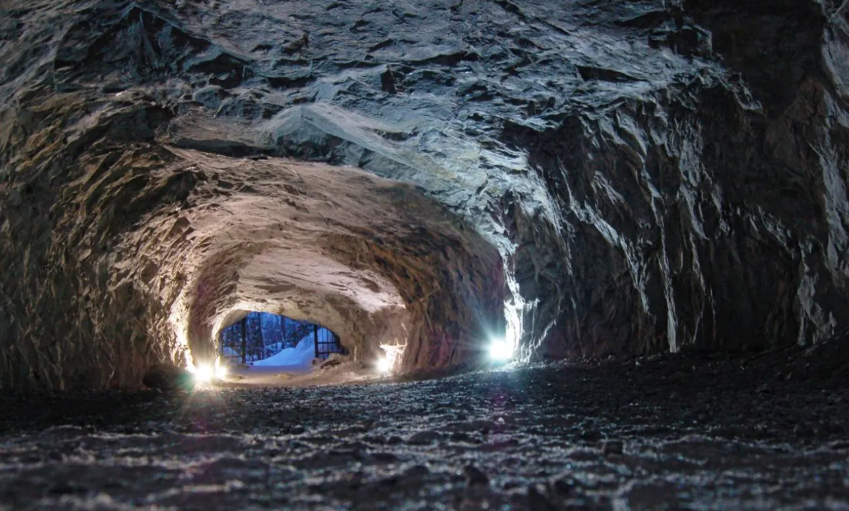
Documented in a new study, the prehistoric cave known as Cova 338 sits 2,235 meters above sea level, in the Nuria Valley – making it the highest altitude dwelling of its kind to date in this area.
For decades, archaeologists have thought that areas above 2,000 meters were only used by people passing through. But the new discovery suggests that, over the course of 5,000 years (between the 5th and 1st millennia BC), multiple populations actually occupied the caves for long periods of time.
Excavations of the cave took place between 2021 and 2023, and have posed a major logistical challenge, as access to the cave is only possible on foot from the Nuria Valley, with no motorized support allowed.
This has required all materials and sediments generated during the digs to be transported manually.
The main conclusion of the study was published last May in the magazine, Frontiers in Environmental Archaeology. It documented high-mountain prehistoric occupations of significant intensity, characterized by repeated activities and the direct exploitation of mineral resources within the cave.
Lead author of the study, Carlos Tornero, professor in the Department of Prehistory at the Universitat Autònoma de Barcelona (UAB), said: “For a long time, these spaces were assumed to be marginal. What we document here is recurrent occupation, with complex activities and a clear exploitation of mineral resources.”
In the layers of the excavations, researchers found remains of fires and animal bones, ceramic fragments and even two pendants: one from a marine shell and one from a brown bear tooth.
The cave also contained a collection of green minerals, which the researchers think are likely malachite – a copper carbonate mineral – suggesting some of the earliest evidence of copper extraction in Western Europe.



 comment replay










 الرجاء الانتظار ...