Ammon News - By Taylor Luck
AZRAQ - Archaeologists are counting on a 2,000-year-old castle to bring the Kingdom’s ancient heritage to life and foster a greater sense of community in the eastern region.
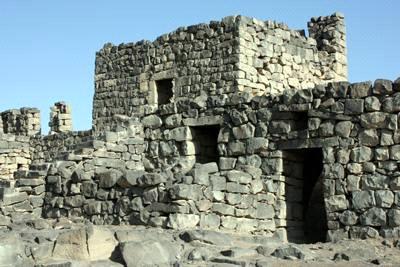
Qasr Azraq, built by the Romans at the turn of the third century AD, has long provided refuge for various communities at the fringes of the eastern desert, situated at the crossroads of trade routes, empires and civilisations.
The fortress lies in the Azraq oasis, an ancient source of life in the arid eastern desert that has been home to settlements through the Palaeolithic, Neolithic, Roman, Byzantine, Ayyubid and Ottoman periods.
Druze communities migrating from southern Syria lived in the castle at the turn of the 20th century, while Chechen communities settled south of the structure a decade later. The migrations resulted in the geographical division of North Azraq and South Azraq.
Today, the basalt fortress is set to play a prominent role once again by bridging the geographical divide between northern and southern Azraq as a community centre and living history museum, according to the Department of Antiquities (DoA).
The department is close to transforming the castle’s various rooms into a museum detailing the history of the Azraq area from prehistoric times to modernity, Ahmad Lash, head of the department’s Azraq Directorate, told The Jordan Times.
As part of the conversion, DoA workers are continuing internal and external restoration work on the structure’s western walls, which were extensively rebuilt by the Ottomans.
Rooms on the northern side of the castle have been renovated and now house artefacts from the Roman and Umayyad periods, while the west wing, which is close to completion, will showcase artefacts from the pre-historic periods.
The southern wall and entrance to the castle, where T.E. Lawrence camped in the winter of 1917, will be dedicated to the period from the time of the Great Arab Revolt to today, Lash added.
The section, which is to be completed by early next year, will include photographs of the various families who called the castle home and showcase local community traditions, customs and dress from the period.
In order to raise awareness on the importance of the castle to the area’s heritage, the department has also organised several field trips for local school children in cooperation with the British Institute in Amman.
The most recent visits, held last December, aimed at encouraging children to come and excavate for themselves, discover their history, and develop a sense of ownership of the Kingdom’s archaeological treasures.
In July, the DoA, in cooperation with the British Institute, will host a community-wide open day for children, parents, civil society and the greater community to celebrate their shared history and learn more of the archaeological treasures of the area.
“Azraq has been home to many generations of many different communities,” Lash told The Jordan Times.
“We are all responsible for preserving and promoting this living history for generations to come,” he added.
(Jordan Times)
** The Department of Antiquities and local leaders hope to transform Azraq into a living history museum and cultural centre (Photo by Taylor Luck)



 comment replay