Ammon News - AMMONNEWS - Costing in excess of $170 million and with a total floor area of 150,000 square meters, Amman’s newest mega-project is located in a middle class residential area, skirted by vacant lots of grazing goats and humble concrete houses. Access to its underground car park on Opening Day was blocked when a sheep sprinted from an adjacent field, a typically surreal Amman experience.
Just in time for Christmas and joining the existing team of city shopping centers, Jordan’s latest retail-abalooza has arrived: Taj is Amman’s newest shopping mall, boy does it have a ‘shiny nose’. Pitched as a “lifestyle destination”, right now this 21st century citadel is the antithesis of sustainable development.
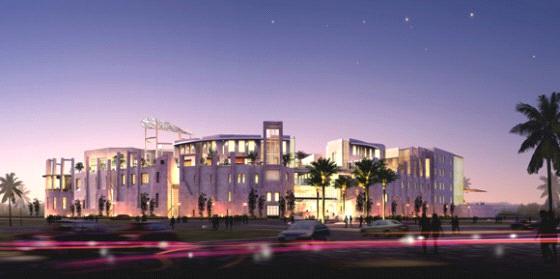
Taj is a glitzy retail and multi-purpose facility intended to “entertain and serve chic travelers and cosmopolitan city residents” – or at least it will be someday when the shops, movie theaters, restaurants, bowling alleys, arcade and kids’ zones actually open. A massive stone box stretching five stories high, it’s largely empty yet fully powered, illuminated, heated and cooled in support of a single supermarket, a handful of European clothing chains, and a lot of empty space.
Launching a major retail center in mall-crammed Amman in the wake of the global financial crisis is a gamble. According to Al Ghad, tourism income is down 18 percent, and the Jordan Times reports unemployment as hovering between 12-14%. Although the average household income sits at $45,000, fewer than 10% of households make more than $14,000. Who’s shopping? Will locals dine at places where the bill for a meal is higher than a week’s salary, or drink a mega-brand cup of coffee that costs a day’s pay?
I’ll bet foreign tourists will continue to blow their holiday time and money bobbing in the very-near Dead Sea or crawling around authentic Old Downtown, instead of sipping a Starbucks in a place indistinguishable from malls back home.
Artists’ renderings depict views of the complex invisible to any Ammanian, except perhaps to a roofer working on the equally gigantic Saudi Arabian Embassy under construction across the street. Maybe embassy employees will keep Taj afloat. Or it could appeal to the sizeable ex-pat community: it’s interior architecture and non-Jordanian offerings are as safely familiar as any airport Duty-Free shop.
I wish developers would quit with the mega-malls and instead build upon more authentic urban experiences. Mall-mania is middle-aged, born half a century ago in the USA as a means to consolidate shopping into a one-stop climate-controlled experience. A paean to the automobile society, they were particularly attractive to people living in goods-starved rural and suburban places. Malls in major cities are oxymoronic: the point of a city being, well…it’s a city.
Organic, largely uncontrolled free-market commerce responsive to evolving needs of its users. Intense competition from other shopping venues, not to mention the internet, has shown these “lifestyle experience” palaces to be non-starters in most US and European cities. Successful United Arab Emirates versions are from another economic time and scale.
To its credit, Taj is built with beautiful stonework and will (one day) offer lovely outdoor public “rooms”, but big-scale sustainability is much more than regionally sourced materials and daylight views while you have a smoke.
Better site selection; elimination of urban light pollution; onsite generation of renewable energy; and education of the local community to a greener way are just a few of the low-hanging sustainable fruit the Taj developers could have picked.
At a minimum, they might have greened-up ongoing maintenance. I cringe at the acres of horizontal plate glass: how much water will be wasted keeping them clean? Taj seems as current and eco-sensitive as a polyester leisure suit.
* Green Prophet
Ironic how a project’s opening can be both too soon, and too late.



 comment replay
 الرجاء الانتظار ...