Abdulhamid Hamid Al-Kba
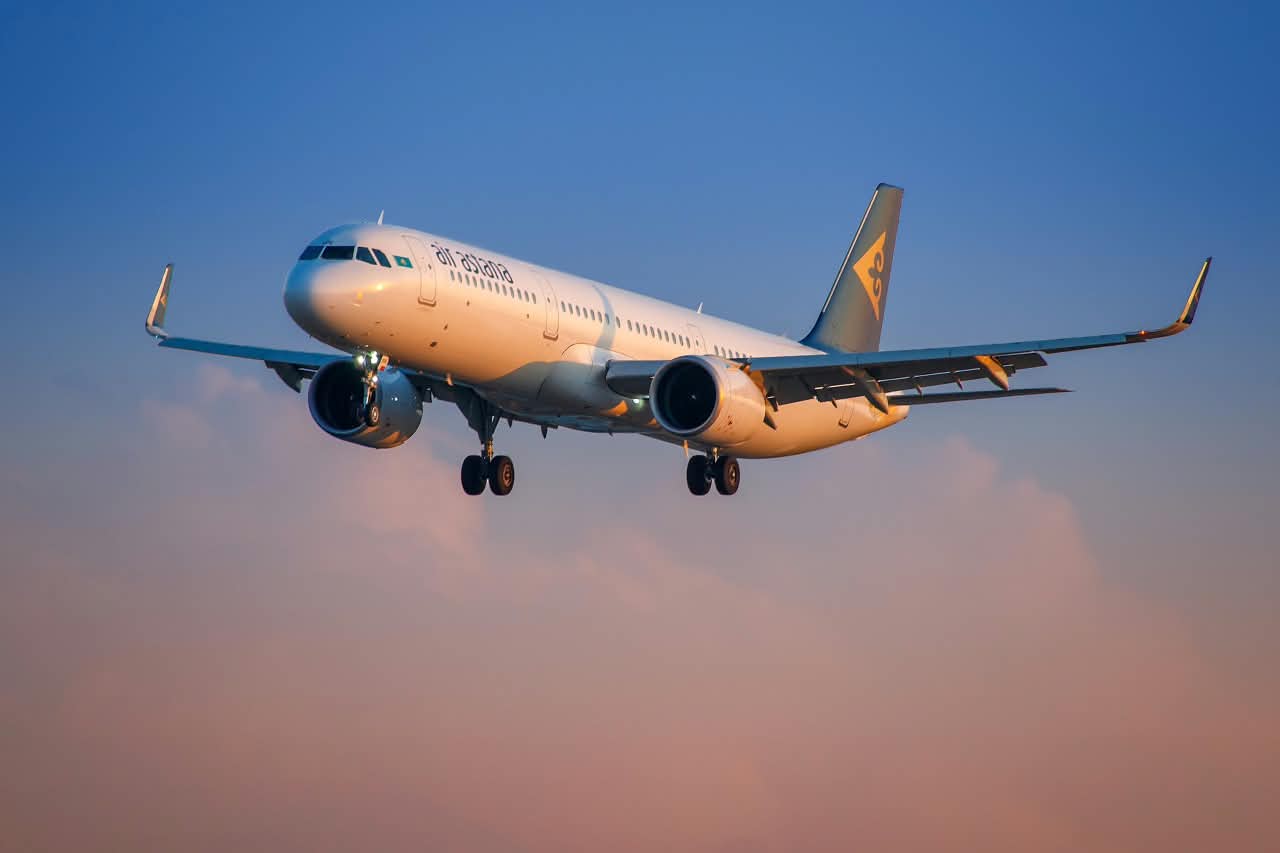
On 9 October 2026, Kazakhstan’s Civil Aviation Committee announced that Air Astana will open two direct routes to Salalah, Oman. The first flight leaves Almaty on Friday, 23 October; the second departs Astana the following day. Both will operate once a week on Airbus A320 aircraft. The timing is not accidental. The decision arrives in the wake of Sultan Haitham bin Tariq’s official visit to Kazakhstan, giving the new link a political dimension that goes beyond ordinary route planning.
Until now, the principal air connection between the two countries has run through Muscat, mainly via SalamAir from Almaty. Salalah—southern Oman’s coastal city known for its mild khareef season and historic frankincense trade—has lacked regular direct service. The new flights offer a shorter option for many travellers and open a quieter coastal alternative to the busier Gulf hubs. But the real question is not whether the planes will leave on schedule in late October. It is whether a once-weekly service from two different Kazakh cities can generate enough consistent demand to survive beyond the initial novelty.
What economic and tourism logic supports the routes?
Kazakhstan sits at the heart of Eurasia with substantial natural resources; Oman provides a maritime gateway and long-standing logistical ties between Asia and the Gulf. Tourism is the most immediate driver. Salalah’s mild winter climate and relatively calm beaches hold clear appeal for Kazakh visitors seeking an escape from continental cold. Business travel could follow if visa procedures ease and joint marketing develops. Yet the regional aviation environment remains unsettled. Airspace disruptions, rising fuel and insurance costs, and earlier suspensions of Middle East services by Air Astana itself have shown how quickly route economics can shift. In this setting, any new weekly flight faces a practical test: can it attract enough passengers to justify operations against strong competition from Dubai and Abu Dhabi transfer options?
Where does Oman Air fit, and is broader network growth realistic?
Air Astana’s entry into Salalah raises a parallel question about Oman Air’s potential role in Central Asia. Muscat Airport could serve as an additional gateway for two-way traffic, but turning opportunity into actual network expansion depends on demand volume, commercial viability, and how any new routes would sit within the airline’s existing strategy. A cautious approach—seasonal services or codeshare partnerships before permanent commitments—would allow both sides to test the market without locking in high fixed costs. Bilateral goodwill alone does not fill aircraft.
What will decide success or quiet withdrawal?
The answer lies in three practical factors. First, the seasonal character of demand: will Salalah attract Kazakh travellers only during peak winter months, or can it sustain year-round interest? Second, the intensity of competition from indirect itineraries through major Gulf hubs, which often offer more frequencies and competitive fares. Third, operating costs, airport fees, and the airline’s ability to maintain acceptable load factors on two separate weekly flights without disrupting the rest of its network. Political momentum from a high-level visit can help with facilitation and promotion, but it cannot permanently override weak load factors or high costs.
The new services therefore represent a calculated commercial wager rather than a ceremonial gesture. Operating from both Almaty and Astana widens the potential passenger base, yet it also doubles the pressure to achieve sustainable occupancy. If Salalah succeeds in drawing a stable segment of Kazakh travellers beyond the peak season, the link could evolve from a seasonal option into a more regular channel for tourism and limited business exchange. Broader economic impact, however, will require measurable indicators—rising tourism bookings, more frequent official and commercial visits, and gradual growth in trade-related travel—rather than optimistic projections issued at launch.
In the end, Air Astana’s decision to fly to Salalah is a genuine opportunity to test whether direct air connectivity can meaningfully deepen ties between Kazakhstan and Oman. The first flights will depart on schedule. The harder test comes in the months that follow: whether weekly departures can convert political timing into steady traffic that supports both tourism and practical economic exchange. If they do, the routes will stand as a modest but concrete example of how a limited operational choice can open wider avenues between Central Asia and the Gulf. If demand remains thin or strictly seasonal, they will serve as a reminder that air bridges require consistent passengers and operational resilience before they become lasting economic links.
*Abdulhamid Hamid Al-Kba, opinion writer specializing in Central Asia and Azerbaijan



 comment replay












 الرجاء الانتظار ...