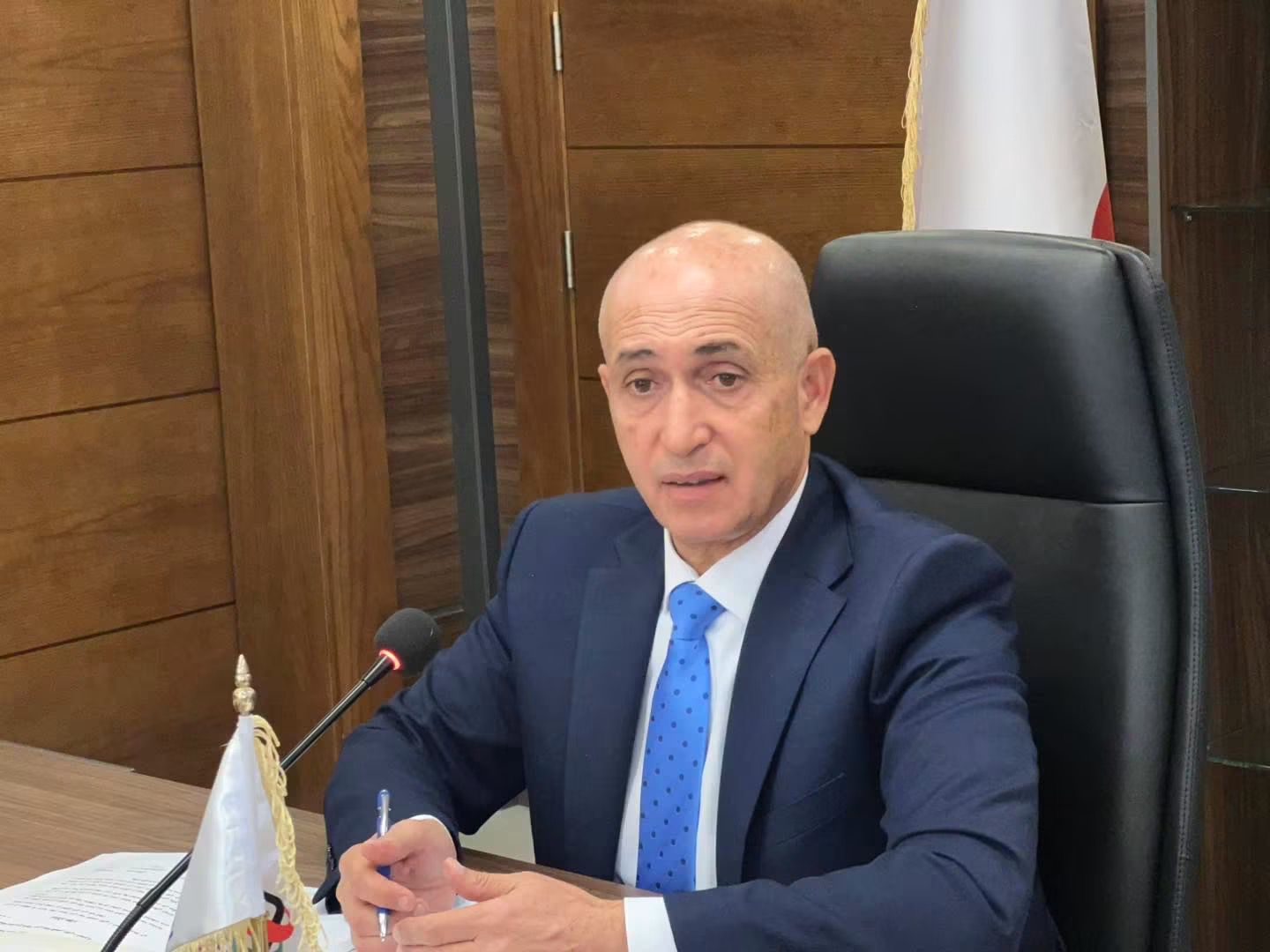
Eng. Amer Al-Jayyousi
His Majesty King Abdullah’s address to the UN General Assembly conveyed a message to the international community on the unity of the Palestinian cause and Jordan’s position on its national security, said Engineer Amer Jayyousi, vice chairman of the Jordan Free Zones Investors Commission.
Commenting on the address, Jayyousi said the King placed developments in Gaza and the West Bank within a single political context, stressing that neither could be addressed in isolation from the Palestinian people’s right to an independent state.
He said the address called on the world to recognise that events in Gaza cannot be separated from the displacement and repression facing Palestinians in the West Bank.
Gaza and the West Bank are integral parts of Palestine, Jayyousi said, adding that separating the two would overlook the broader Palestinian quest for statehood and undermine prospects for a comprehensive political settlement.
He noted that Jordan’s position, as reflected in the address, reaffirmed its commitment to keeping the Palestinian cause on the international agenda and supporting a solution that safeguards the Palestinian people’s legitimate rights.
For international audiences, Jayyousi said, the speech’s central message was that the Palestinian question must be approached as a national cause requiring a political resolution, rather than as separate crises.
Turning to Jordan’s security, he said the address highlighted the implications of Israeli incursions into Syrian territory and control over water resources, underscoring their direct relevance to the Kingdom’s border and water security.
Jayyousi said the King’s remarks reaffirmed that safeguarding Jordan’s borders and water resources remained a national priority that could not be compromised.
He added that the address should be read internationally as a statement of two connected Jordanian positions: support for Palestinian rights and statehood, and a commitment to protecting the Kingdom’s sovereignty and security.
These positions, he said, framed Jordan’s approach to a political settlement and lasting stability in the region.



 comment replay












 الرجاء الانتظار ...