Abdulhamid Hamid Al-Kba
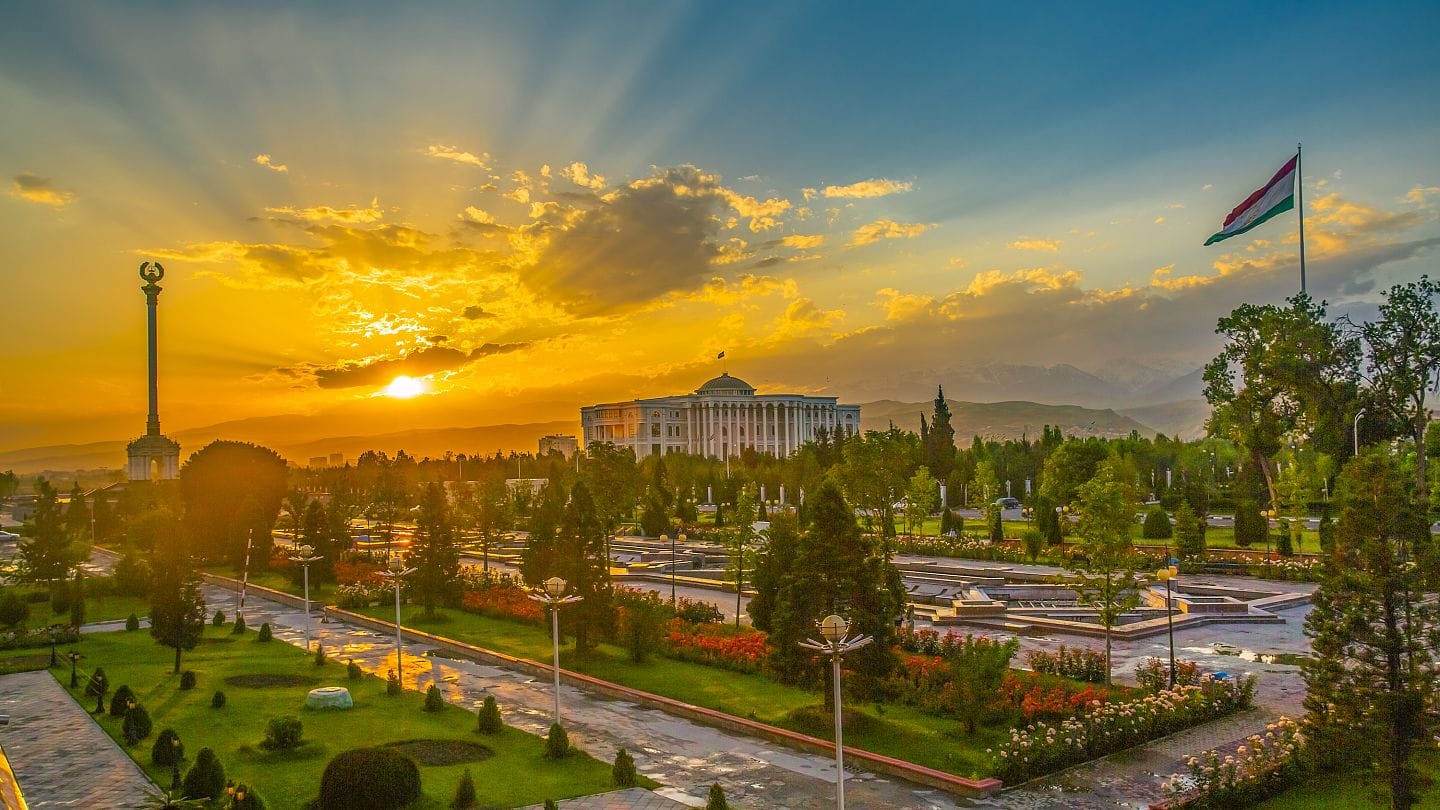
Sometimes the numbers come to me suddenly, like a cool breeze on a Dushanbe morning. I open the reports of Tajikistan’s Statistics Agency and read them slowly, as if trying to hear what lies behind the figures. In the first half of 2026, the hospitality sector — hotels and restaurants — recorded growth of nearly 55%. This is not a passing figure. It is a sign of accelerating domestic and external activity that remains uneven across the country’s map.
According to official data from the Agency on Statistics under the President of the Republic of Tajikistan, the turnover of public catering services, including hotels and restaurants, reached 2.4307 billion somoni (approximately USD 262.7 million) in January–June 2026. This represents an increase of 54.9% compared with the same period in 2025. In June alone, the volume stood at 427.6 million somoni (about USD 46.2 million), up 66.5% year-on-year and 54.9% compared with the previous May. This monthly surge confirms that the momentum has not slowed; it has accelerated with the start of the summer season.
The hospitality sector grew significantly faster than the overall economy, which recorded real growth of around 8.2% in the short-term indicator of key industries over the same period. This gap reflects strong domestic demand driven by rising consumer spending, alongside a recovery in tourism. Data from the Committee for Tourism Development show that Tajikistan received approximately 889,400 foreign tourists in the first half of the year, an increase of 16.7%. Total foreign arrivals reached about 1.063 million, the majority from CIS countries.
A closer look at the figures reveals the composition of this growth: restaurant and café services accounted for around 95% of the total and grew by approximately 59%, while hotel services recorded nominal growth of only about 2.4%. The bulk of the surge therefore stems from local consumption and everyday leisure rather than longer-stay tourism.
Dushanbe remained the largest driver. The capital generated 1.1122 billion somoni (around USD 120 million), nearly 46% of the national total, with growth of 31%. Khatlon Region came second with 724.7 million somoni (+22.6%), followed by Sughd with 480.5 million (+8.4%). The Districts of Republican Subordination recorded 97.9 million (+3.2%), while the Gorno-Badakhshan Autonomous Region did not exceed 15.4 million somoni. The low percentage there is nominal and rests on a very small base, so any modest improvement appears relatively weak. Just three areas — Dushanbe, Khatlon and Sughd — produced more than 95% of total turnover.
The numbers tell a dual story. There is genuine recovery, supported by the Tourism Development Strategy until 2030 and the presence of 216 hotels, 53 hostels and motels, and 191 travel companies. At the same time, growth is uneven. It depends heavily on visitors from Uzbekistan and Russia, as well as on remittances that fuel domestic spending. Commercial and tourism ties with China are gradually improving, yet mountain-road infrastructure remains a major obstacle to spreading tourism toward Badakhshan and more remote areas.
If the current pace continues through the end of the year, the sector’s volume could reach around 5.5–6 billion somoni, bringing the country closer to its target of more than two million foreign visitors, supported by the summer and autumn seasons. Should direct flights with China and Russia improve, remittances remain strong, and rapid investments are made in mountain roads, growth could exceed this level. Conversely, any decline in oil prices, a noticeable drop in remittances, or regional tensions could slow growth toward 25–35%.
Sustainability requires addressing regional disparities. Investment in road and communications infrastructure in mountainous areas, training of local personnel, and the development of specialized tourism products (ecological, cultural and wellness) could distribute the benefits more widely.
In the end, the figures confirm that the hospitality sector has become a promising economic driver for Tajikistan. Yet the question facing policymakers now is this: will this momentum be transformed into balanced development that reaches Badakhshan and the remote regions, or will it remain concentrated in the capital and the more developed urban centers? The answer will determine whether the current growth marks the beginning of a structural shift or merely a seasonal wave.
*Abdulhamid Hamid Al-Kba -Opinion writer specializing in Central Asia and Azerbaijan affairs



 comment replay










 الرجاء الانتظار ...