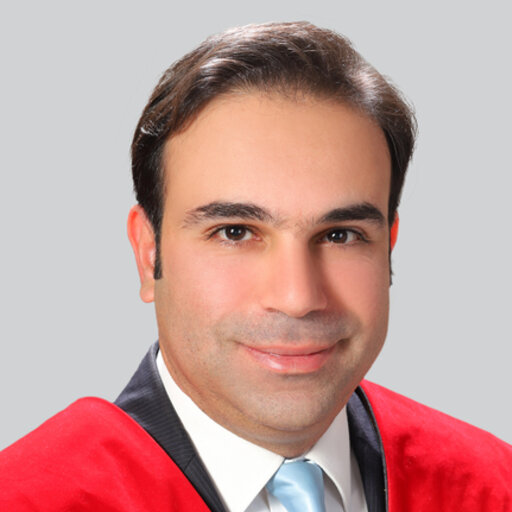
Raad Mahmoud Al-Tal
The current war may have its biggest effect on global trade and energy. Shipping companies no longer trust depending only on the Strait of Hormuz or other normal shipping routes. Because of this, many companies and countries are now looking for other ways to move goods.
Some are using the route around “the Cape of Good Hope” in South Africa. Others are looking at land routes, oil pipelines, and even new railway lines between Asia and Europe. But these alternatives are slower and more expensive. Using “the Cape of Good Hope” adds 10 to 20 extra days to a shipping trip. It also increases the cost of fuel, insurance, and transport by around 30 to 40 per cent. Building new routes, pipelines, and land corridors will take many years and may cost more than 300 billion dollars.
This means the world economy is now paying a new kind of cost. Countries and companies are not only paying to move goods. They are also paying to protect themselves from the risk of future disruptions. This can be called the “cost of geopolitical insurance.”
The problem is no longer only about oil. India produces around 20 percent of the world’s medicines. It imports more than 60 per cent of its oil from the Gulf. India also depends on the Gulf for many of the chemicals used to make medicine. If there is a long disruption in the Gulf, medicine production in India could become more expensive. Some medicines could also become harder to find in world markets.
This is important for the United States because the US imports a large amount of medicine from India. Because of this, Washington no longer sees the Strait of Hormuz only as an energy route. It now sees it as part of its health and food security too.
This may also explain why the United States has been careful about increasing oil sanctions on Russia. The US wanted to put more pressure on Russia, but it also understood that world markets could not handle losing Russian oil while Gulf oil exports were also falling.
For this reason, the United States extended some exceptions to the sanctions. Keeping the oil market stable became more important than political pressure. Even if the Strait of Hormuz opens again soon, the world economy will not return to the way it was before.
Trust has been damaged. Businesses and factories have already started changing the way they work. Countries are also searching for safer and more reliable routes. This means the current crisis is not just a temporary problem. It could become a major turning point that changes trade, energy, and investment for many years.
The world has already entered a new economic period. It is no longer only about competition between countries or changes in interest rates. The bigger question is this: How can the global economy continue if its most important trade and energy routes can be closed at any time?



 comment replay








 الرجاء الانتظار ...