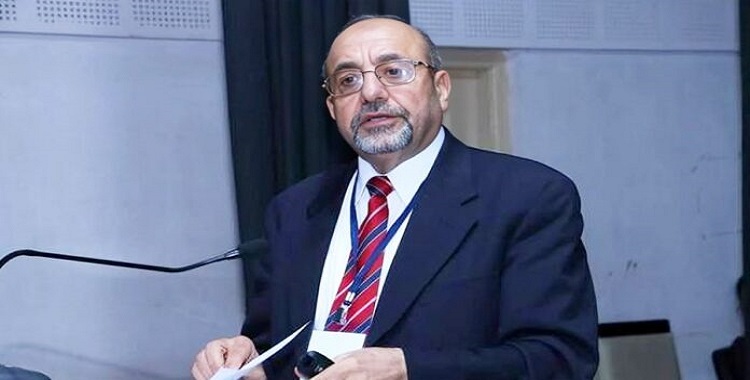
Prof. Dr. Faisal Odeh Al-Rfouh
The Middle East has long stood at the crossroads of global geopolitics, where history, religion, energy resources, and strategic interests intersect in complex and often volatile ways. In recent years, the region has witnessed renewed tensions, shifting alliances, and persistent conflicts that continue to influence global stability. Amid these developments, India—an emerging global power with deep historical ties to the region—has adopted a nuanced and balanced approach. India’s role in the Middle East crisis is shaped by its strategic autonomy, economic interests, diaspora connections, and commitment to peace and multilateralism. Looking ahead, India is well-positioned to play a constructive and stabilizing role in the region.
Historical Foundations and Strategic Interests
India’s engagement with the Middle East is rooted in centuries-old civilizational exchanges, trade, and cultural interactions. In the modern era, these ties have expanded significantly, driven by energy security, trade, and the presence of a large Indian diaspora—estimated at over 8 million—in the Gulf region alone.
Energy remains a central pillar of India’s relationship with the Middle East. A substantial portion of India’s crude oil and natural gas imports originates from countries such as Saudi Arabia, Iraq, the UAE, and Qatar. Ensuring uninterrupted energy supplies is therefore a critical priority for India, especially in times of regional instability.
At the same time, remittances from Indian workers in the Gulf contribute significantly to India’s economy. The safety and well-being of this diaspora remain a key concern for Indian policymakers, especially during times of conflict or political unrest.
A Policy of Strategic Balance
One of the defining features of India’s approach to the Middle East crisis is its policy of strategic balance. India has maintained strong and cordial relations with a diverse range of actors in the region, including Israel, Palestine, Iran, and the Gulf Arab states. This ability to engage with all sides without becoming entangled in regional rivalries has enhanced India’s credibility as a neutral and constructive partner.
India’s relationship with Israel has grown significantly in recent years, particularly in areas such as defense, technology, and agriculture. Simultaneously, India continues to support the Palestinian cause and advocates for a two-state solution based on peaceful coexistence. This dual engagement reflects India’s commitment to dialogue and diplomacy.
Similarly, India has maintained relations with Iran while deepening ties with Gulf Cooperation Council (GCC) countries. This delicate balancing act underscores India’s broader foreign policy doctrine of “strategic autonomy,” allowing it to pursue its national interests without aligning exclusively with any single bloc.
India’s Response to Recent Crises
In the face of escalating tensions and conflicts in the Middle East, India has consistently called for restraint, de-escalation, and dialogue. Its responses have emphasized respect for international law, protection of civilians, and the need for peaceful resolution of disputes.
India has also demonstrated its capacity for humanitarian engagement. Whether through evacuation operations such as “Operation Rahat” in Yemen or assistance during crises in Lebanon and Gaza, India has shown its commitment to safeguarding its citizens and contributing to humanitarian relief efforts.
Moreover, India has actively participated in multilateral forums, including the United Nations, to advocate for peace and stability in the region. Its voice is increasingly respected as that of a responsible global actor that prioritizes diplomacy over confrontation.
Economic and Developmental Partnerships
Beyond crisis management, India’s role in the Middle East is increasingly defined by economic cooperation and development partnerships. Trade between India and the Middle East has grown substantially, with the region emerging as one of India’s largest trading partners.
Initiatives such as the India-UAE Comprehensive Economic Partnership Agreement (CEPA) and expanding investments in infrastructure, renewable energy, and technology highlight the evolving nature of these relationships. India’s participation in emerging connectivity projects, including corridors linking South Asia to Europe via the Middle East, reflects its long-term vision for regional integration and economic growth.
India is also collaborating with Middle Eastern countries in the field of renewable energy, particularly solar and green hydrogen. These partnerships align with global efforts to transition toward sustainable energy and reduce dependence on fossil fuels.
Challenges and Constraints
Despite its growing influence, India faces several challenges in navigating the complexities of the Middle East crisis. The region’s deeply entrenched conflicts, shifting alliances, and external interventions by global powers create a dynamic and often unpredictable environment.
India must also carefully manage its relations with competing regional actors, ensuring that its engagements with one do not adversely affect its ties with others. Additionally, domestic considerations, including energy needs and diaspora welfare, place constraints on India’s policy options.
Another challenge lies in the evolving geopolitical landscape, where major powers such as the United States, China, and Russia are actively shaping regional dynamics. India must continue to assert its independent voice while engaging constructively with these actors.
The Way Forward
Looking ahead, India’s role in the Middle East is likely to expand in both scope and significance. As a country with strong economic growth, technological capabilities, and diplomatic credibility, India can contribute meaningfully to regional stability and development.
First, India can enhance its role as a mediator and facilitator of dialogue. While it may not position itself as a traditional mediator, its balanced relations and credibility enable it to support confidence-building measures and back-channel diplomacy.
Second, India can deepen its economic and developmental engagement with the region. By investing in infrastructure, technology, and renewable energy, India can contribute to long-term stability and prosperity in the Middle East.
Third, India can leverage its diaspora as a bridge between societies. The Indian community in the Middle East plays a vital role in strengthening people-to-people ties and fostering mutual understanding.
Finally, India must continue to advocate for a rules-based international order and support multilateral efforts to resolve conflicts. Its commitment to peace, dialogue, and inclusivity will remain central to its approach.
Conclusion
India’s role in the Middle East crisis is defined by pragmatism, balance, and a commitment to peace. As the region navigates a period of uncertainty and transformation, India’s steady and constructive engagement offers a model of responsible diplomacy.
While challenges remain, India’s growing capabilities and strategic vision position it as an important stakeholder in the region’s future. By promoting dialogue, fostering economic cooperation, and upholding principles of international law, India can contribute to a more stable and prosperous Middle East—benefiting not only the region but the broader global community.



 comment replay










 الرجاء الانتظار ...