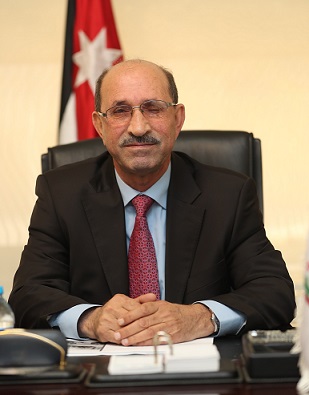
Dr. Hamad Kasasbeh
As Jordan seeks to accelerate economic growth, increase investment and create jobs, could building a stronger and broader middle class be one of the keys to achieving these goals? Citizens who can meet their families’ needs, educate their children and save part of their income are not merely beneficiaries of economic activity; they are a driving force behind it. Improving the circumstances of the middle class could therefore pave the way for stronger, more sustainable growth.
The figures reveal the scale of the challenge. Between 2022 and 2025, Jordan’s real economic growth averaged approximately 2.8% annually, while real GDP per capita grew by only around 1.1% annually, reflecting the impact of population growth. This gap highlights the need to accelerate growth and translate it into tangible improvements in citizens’ lives, helping achieve the Economic Modernisation Vision’s target of increasing real per capita income by an average of 3% annually.
Although growth, inflation, unemployment and public debt are regularly monitored, the latest published government estimates of the middle class that could be traced are based on 2010 data, when it accounted for approximately 29% of the population, compared with 41% in 2008. Differences in measurement methodology limit direct comparison. More than fifteen years later, updating these figures has become an economic necessity. Setting precise targets is difficult without knowing the size of the middle class today and the direction in which it is moving.
The middle class plays an important role in stimulating markets, establishing businesses, generating savings, investing in children’s education and broadening the tax base. As its purchasing power improves, businesses have greater opportunities to expand, invest and hire. Maximising these benefits requires strengthening domestic production and competitiveness so that rising demand does not primarily translate into higher imports. A strong middle class is thus a shared interest of citizens, the private sector and the state.
A household’s position within the middle class is determined not by income alone, but also by its ability to meet essential obligations, save and cope with emergencies. A family may own a home and a car and provide its children with a good education, yet face loan repayments that consume most of its income. This is the difference between enjoying a middle-income standard of living and possessing genuine economic and social security.
In this context, the salary increase proposed in the 2027 draft budget for certain employees and pensioners represents a positive step towards easing living costs and improving purchasing power. Economic policies that strengthen household financial security can build on this measure. Better education, healthcare and public transport can reduce household expenses, while investment in technology, skills and productivity enables businesses to pay higher wages without sacrificing competitiveness.
Beyond job creation, broader opportunities for wealth building are needed. Helping small business owners expand, encouraging professionals to establish their own enterprises, increasing women’s economic participation, promoting financial literacy and providing suitable savings and investment instruments can diversify income sources and support asset accumulation, giving younger generations better opportunities for economic and social mobility.
The Economic Modernisation Vision recognises the importance of living standards by making real per capita income growth a strategic objective. A complementary step would be to establish a measurable national target for expanding the middle class by 2033 and incorporate a set of regularly monitored indicators into the Vision’s implementation framework. These would track the size of the middle class, real household incomes, savings, assets and debt burdens. Just as we measure economic growth, we should measure how broadly citizens participate in and benefit from it.
Building a broad and strong middle class is a cornerstone of economic growth and social stability. Citizens who feel secure about their future are more willing to take initiative, produce and invest. Expanding the middle class is therefore not a goal to postpone until growth has been achieved, but one of the keys to accelerating and sustaining it. As Jordan’s middle class expands, so too can its productive and investment base, strengthening the prospects for sustainable economic growth whose benefits citizens can genuinely experience.







 comment replay









 الرجاء الانتظار ...