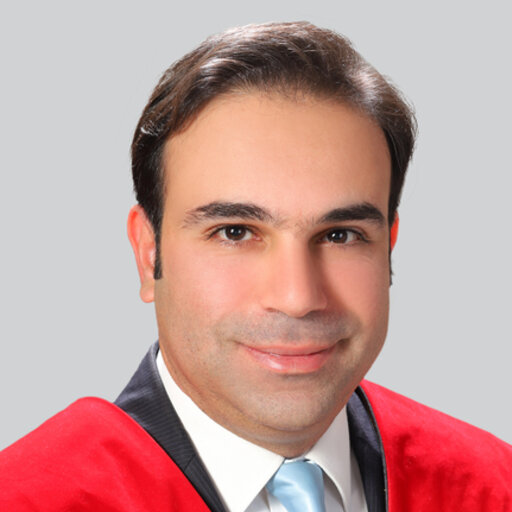
Raad Mahmoud Al-Tal
In his remarks from Irbid, HRH Crown Prince Al Hussein highlighted several important economic priorities for Jordan, including protecting economic stability, attracting investment, developing technology, supporting young people, and building on the economic agreements signed with China. These messages point to some of the main challenges and opportunities facing the Jordanian economy in the years ahead. Jordan has managed to maintain economic stability despite difficult regional conditions, which is an important achievement. But stability alone is not enough. The next step should be to use this stability as a foundation for stronger economic growth.
Jordan needs more investment, but more importantly, it needs the right kind of investment. Investment should increase production, create jobs, introduce new technology, improve skills and help Jordanian companies reach international markets. Its success should therefore not be measured only by the amount of money entering the country. We should also look at what the investment produces, how many jobs it creates, how much it increases exports, and how much it improves productivity. The focus should be on investment that creates real economic value and strengthens Jordan’s productive capacity.
Technology can play an important role in this transformation. Jordan may not have large natural resources, but it has an important resource: its people and their skills. The technology sector allows Jordan to compete without always requiring large amounts of physical capital. A Jordanian company can develop a digital service in Amman and sell it in the Gulf, Europe, or Asia. This can increase exports, generate foreign currency, and create better-paying jobs. To achieve this, Jordan needs stronger digital skills, better education, more research and development, better access to finance, and closer cooperation between universities and the private sector.
Young people are another major economic asset. Supporting them should not mean simply creating jobs. It should also mean improving their skills, productivity, creativity, and ability to start and grow businesses. Jordan needs to make it easier for young entrepreneurs to build successful companies that can compete beyond the domestic market. A strong economy is one that can turn the energy and talent of its young people into production and economic value. This also requires a gradual shift from an economy that depends heavily on consumption and traditional services towards an economy that produces more, exports more, and creates greater value.
The Crown Prince’s reference to China is particularly important. Jordan’s economic relationship with China should move beyond signing agreements and focus on achieving measurable results. The key questions are how much new investment these agreements will bring, how many jobs they will create, how much they will increase Jordanian exports, and how many Jordanian companies will become part of international supply chains.
China can be more than a source of imported goods. It can become a partner in investment, technology, infrastructure, production, and access to international markets. This requires partnerships that benefit both sides and help Jordan increase its production capacity, develop new industries, and expand its exports.
For this reason, economic agreements should be linked to clear and measurable targets. Each major partnership should have specific goals for investment, employment, production, exports, local content, and technology transfer. This will help Jordan move from simply measuring economic activity to measuring its real economic impact. It will also help policymakers identify which projects are delivering results and where further action is needed.
The economic messages of the Crown Prince provide Jordan with an important opportunity to rethink its growth strategy. The goal should be clear: more productive investment, greater use of technology, stronger participation by young people, and more competitive exports. Economic stability should be the foundation, not the final goal.
The real challenge is to turn these priorities into results. Sustainable growth does not come from spending more or attracting investment alone. It comes from building an economy that produces more, creates better jobs, develops new ideas, and competes successfully in international markets. If Jordan can turn investment into production, young people into a stronger productive force, and technology into exports, economic stability can become the foundation for stronger and more sustainable economic growth.



 comment replay









 الرجاء الانتظار ...