Ammon News - Data from the United Nations High Commissioner for Refugees (UNHCR) recorded a decline in the number of refugees and asylum seekers registered in Jordan, with the number dropping to 419,950 refugees by the end of last March, compared to 426,931 refugees in February, a decrease of approximately 1.64%.
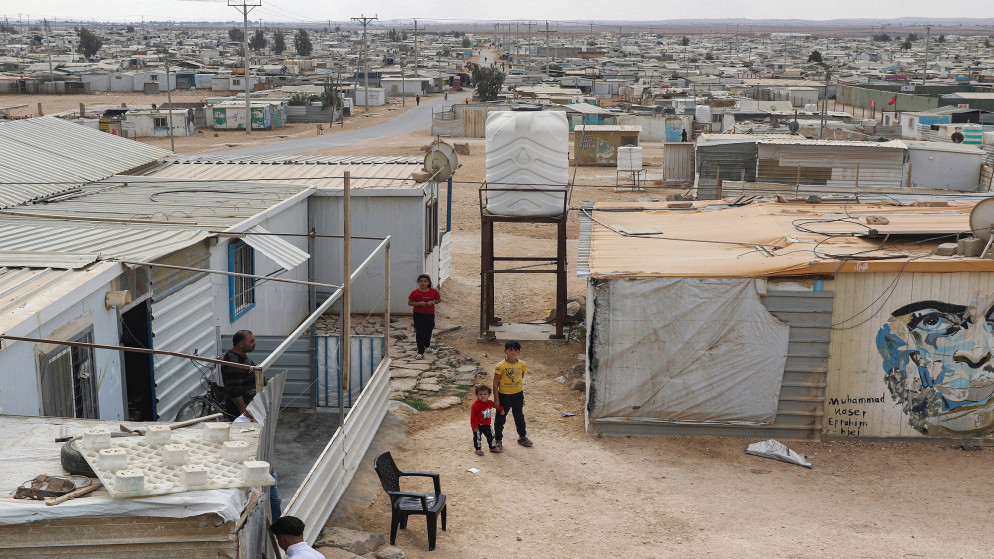
336,912 refugees, or 80.2%, reside in urban areas, compared to 83,038 refugees, or 19.8%, in camps, according to the data.
The 18–35 age group constitutes the largest proportion, with 116,931 people, representing 27.8% of registered refugees and asylum seekers. This is followed by the 5–11 age group, with 90,244 people, representing 21.5%, then the 36–59 age group, with 78,468 people, representing 18.7%. The number of children under the age of five reached 51,258 children, representing 12.2%, while the number of those aged 60 and over reached 17,502 people, representing 4.2%.
Males make up 46.5% of total registered refugees, with 195,399 individuals, compared with 207,049 females (49.3%), while older persons account for 4.2% of all registered refugees.
Syrian refugees constitute the vast majority at 94.4%, totaling 396,640, followed by Iraqis at 12,242 (2.9%), Yemenis at 6,105 (1.5%), and Sudanese at 4,249 (1%), in addition to other nationalities in smaller numbers.
The data also shows that 101,002 refugees (24.1%) require some form of protection or assistance, including 58,775 with serious medical conditions, 42,937 persons with disabilities, as well as vulnerable children, women, and elderly individuals.
According to the figures, the peak year was 2013, with 110,135 refugees, while numbers have declined significantly in recent years, reaching 62 refugees in 2025 and only 7 refugees in 2026 through the end of March.
Within Jordan, refugees are primarily distributed in Amman with 144,010 refugees (34.3%), followed by Irbid with 70,361 (16.8%), and Mafraq with 52,230 (12.4%). Meanwhile, Za’atari Camp hosts 49,466 refugees, and Azraq Camp hosts 33,419.



 comment replay







 الرجاء الانتظار ...