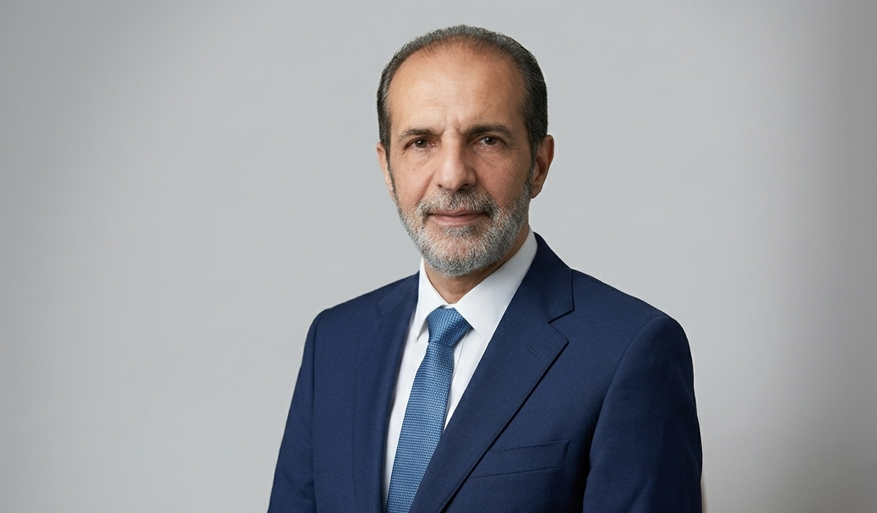
Issam Eliwah
The international nursing workforce is at the heart of global healthcare, bridging gaps between demand and supply in an era of unprecedented medical challenges. Aging populations, rising chronic disease prevalence, and heightened patient expectations have intensified the need for skilled nurses worldwide. At the same time, cross-border employment in nursing presents complex challenges that must be addressed strategically.
A key obstacle lies in regulatory complexity. Licensing requirements, recognition of qualifications, and national legal frameworks differ widely, often delaying or preventing qualified nurses from practicing abroad. Cultural and linguistic barriers further complicate integration into healthcare teams and effective patient communication. Additionally, economic disparities between nations create ethical dilemmas, as high-income countries attract talent from regions with limited healthcare resources, exacerbating workforce shortages in source countries. The COVID-19 pandemic has also underscored the fragility of international staffing and the importance of flexible recruitment strategies.
Yet, these challenges coexist with significant opportunities. Demand for nurses in developed countries continues to rise, prompting innovative recruitment solutions, including targeted training programs, language immersion courses, and digital platforms for credential verification. International placements also provide professional growth, cross-cultural exposure, and insights into diverse medical practices—benefits that extend to both individuals and healthcare institutions. Emerging technologies, such as telehealth and AI-assisted care, further expand the capacity for nurses to contribute across borders without physically relocating, fostering knowledge transfer and collaborative care models.
Looking forward, building a sustainable international nursing workforce requires a multifaceted approach. Harmonizing licensing frameworks, standardizing competencies, and investing in cultural and linguistic training are essential. Equitable partnerships between source and destination countries can ensure workforce mobility strengthens global health rather than creating imbalances. Structured pathways combining technical skill enhancement with cultural orientation can accelerate integration and productivity, while data-driven workforce planning can help anticipate shortages and optimize deployment.
In conclusion, international nursing employment represents both a challenge and a transformative opportunity. By addressing regulatory, cultural, and ethical complexities while embracing innovation and professional development, healthcare systems can cultivate a resilient, mobile, and competent nursing workforce. This approach not only meets immediate staffing needs but also lays the foundation for a sustainable, globally connected healthcare future.



 comment replay












 الرجاء الانتظار ...