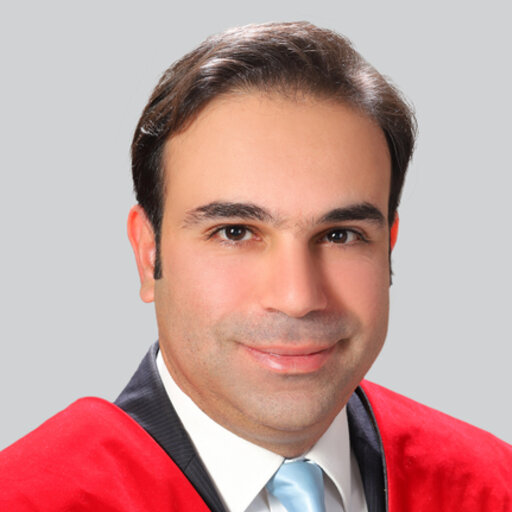
Raad Mahmoud Al-Tal
The government recently decided to pay about JD100 million in arrears owed to public universities. This payment is part of a larger amount of unpaid bills, nearly JD1.7 billions, owed to universities, hospitals, pharmaceutical companies, contractors, and other entities. For many years, these arrears were ignored, but the government has now started addressing the issue. Last year, around JD250 million in arrears were already paid.
Paying these arrears is very important for the economy. Public universities have faced financial pressure due to delayed payments, which affected research, facilities, and the ability to hire qualified staff. Settling the arrears will help universities improve education quality, develop research, and maintain their infrastructure.
Universities play a key role in preparing students for the job market. Lack of funding can weaken student skills and reduce their job readiness. By clearing arrears, universities can update programs, improve labs, and provide more practical training. This will help students better meet the needs of the economy and reduce unemployment.
From a financial perspective, paying arrears shows government commitment and builds trust with suppliers and stakeholders. Delayed payments act like hidden borrowing, so settling arrears improves transparency and reduces future risks.
Economically, the impact of paying arrears spreads beyond education. Universities will pay their suppliers and contractors, putting money back into sectors like services, pharmaceuticals, construction, technology, printing, and transportation. In a slow-growing economy, this cash flow is very valuable.
However, paying arrears is only the first step. Long-term reforms are needed to prevent the problem from returning. This includes improving how universities are funded, linking government support to performance, expanding private sector partnerships, supporting applied research, and reviewing admission policies and weak programs.
In short, paying arrears is not just spending money it is a delayed investment in education, trust, stability, and economic growth. The full value of this decision will be seen only if it is followed by reforms that prevent arrears from accumulating again.



 comment replay












 الرجاء الانتظار ...