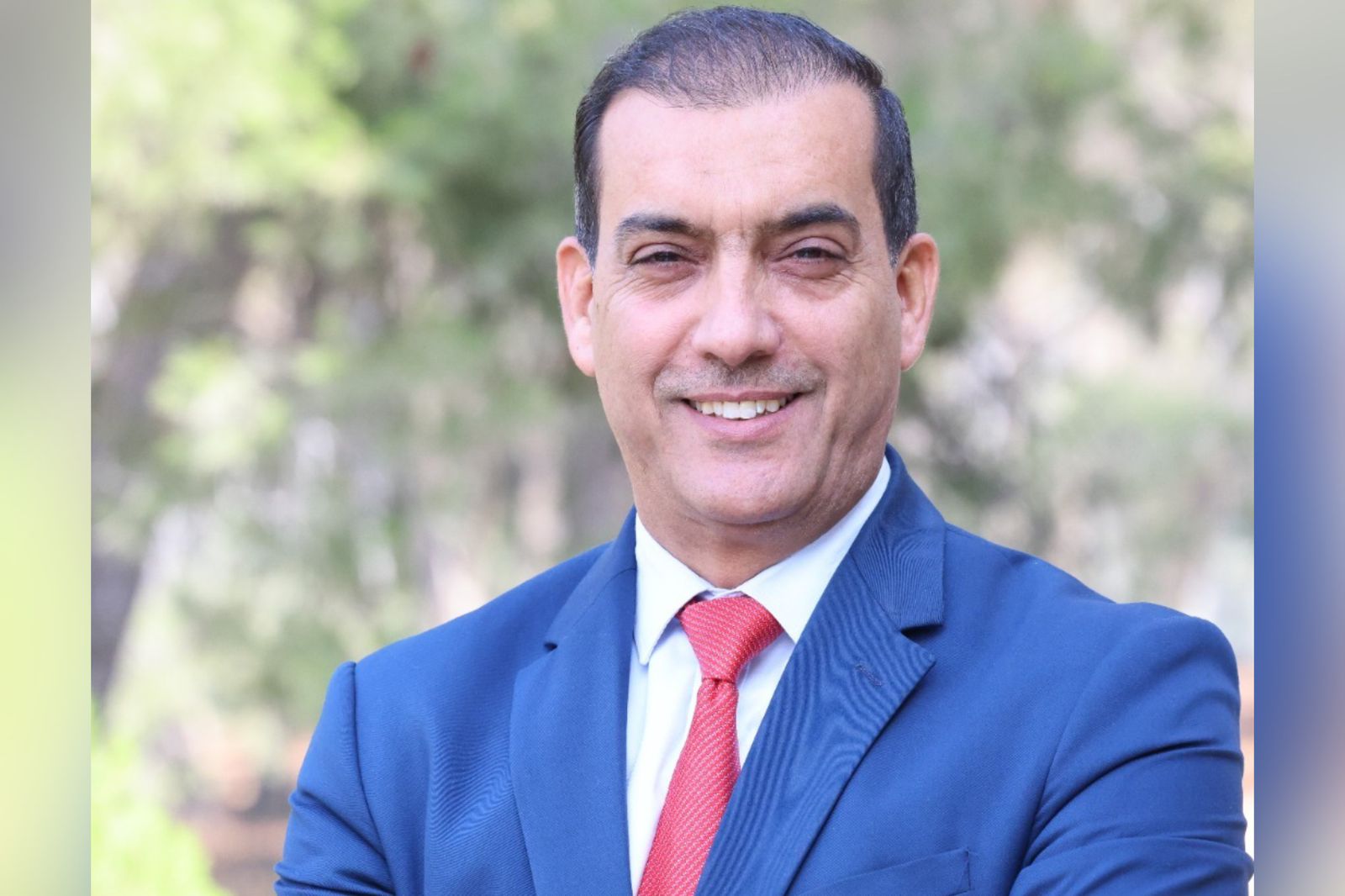
Dr. Emad Al-Hammadin
An Analytical Reading- The terrorist attack carried out by Navid Akram and his father, which resulted in the killing of 15 Jewish individuals celebrating Hanukkah on Bondi Beach in Sydney, marked a dangerous turning point in Australia’s security and political landscape. The attack was not merely an isolated security incident; rather, it carried deep political and social dimensions, particularly in light of Australian authorities’ announcement of ideological and media links between the perpetrators and the so-called “Islamic State,” based on propaganda materials found in the vehicle used in the attack.
The importance of this operation stems from several interconnected levels. First is the nature of the target: the Jewish community, which was directly attacked, bringing the issue of antisemitism in Australia back to the forefront and immediately linking it to broader international contexts. Second is the timing of the attack, which coincided with the ongoing war in the Gaza Strip. Politically and in the media, the attack was promoted as a “response” to the Israeli war, a framing that contributed to politicising the incident and transforming it from a condemned terrorist act into a tool within the international narrative conflict.
Within this context, attempts emerged to link the attack to the rise of pro-Palestinian demonstrations in Australia and to slogans such as “Palestine from the river to the sea,” portraying them as an enabling environment or an indirect cause of violence. This argument reflects a methodological conflation between legitimate political protest and terrorist violence and represents a classic example of “guilt by association,” a logic long used to justify targeting minorities, particularly Muslim communities.
The attack became an arena for internal struggle among Australian parties. The ruling Labour Party, led by Prime Minister Anthony Albanese, came under intense pressure due to its personal support for the Palestinian issue, and his government’s recognition of the Palestinian Authority. These positions were later instrumentalised as accusations, whether by domestic opposition forces or by external actors—most notably Israeli Prime Minister Benjamin Netanyahu—who drew a link between allowing demonstrations critical of Israel and the rise of antisemitism and the occurrence of the attack.
In contrast, the opposition Liberal Party quickly sought to politically capitalise on the incident, presenting itself as the protector of the Jewish community and accusing the government of failing to confront antisemitism, and even of siding with Palestinians at the expense of national security. This discourse was far from neutral; it carried exclusionary implications that indirectly affected Muslim communities by reproducing security narratives that view these communities as a “suspect environment” rather than as an integral part of the national fabric.
In response, Prime Minister Albanese attempted to adopt a containment-oriented approach, seeking to demonstrate empathy with the victims without slipping into collective demonisation. He proposed legislation to withdraw licensed and unlicensed weapons and compensate their owners, in an effort to shift the debate from an identity-based conflict to a comprehensive security approach. However, this move was met with strong opposition, which viewed it as an evasion of the “real problem.”
At the state level, the crisis took a more hardline turn. The Premier of New South Wales exploited the incident to introduce legislation restricting what was described as “hate speech,” including banning pro-Palestinian demonstrations, prohibiting the display of certain flags or chanting specific slogans, and classifying them as antisemitic. These measures raised serious questions about the limits of freedom of expression and the potential transformation of combating hate into a tool for silencing legitimate political discourse.
Overall, these developments returned Muslim communities in Australia— for the first time since the events of September 11, 2001— to a sphere of suspicion and social stigmatization. Monitoring public opinion and social media revealed a clear shift in public mood, fueled by the emotional images of the victims, particularly the photograph of ten-year-old Matilda, which became a powerful humanitarian symbol. This was accompanied by a troubling rise in attacks on mosques and threats against Muslims, indicating a growing wave of Islamophobia under the pressures of fear and politicisation.
Amid this climate, the case of Ahmed Al-Ahmad, a Syrian refugee who confronted the terrorist and managed to disarm him, emerged as a decisive moment in dismantling stereotypical narratives. This incident demonstrated how a single positive individual act can undermine an entire discourse built on generalisation. Ironically, early attempts to attribute this heroic act to a different religious identity, before the truth became known, reflected the extent to which even humanitarian heroism can be politically instrumentalised.
This incident clearly shows that terrorism not only threaten physical security; it also tests the cohesion of pluralistic societies and their ability to distinguish between crime and belonging, between individual action and collective identity. Hence, an effective response cannot be purely security-based; it must be integrated with responsible political discourse, professional media practices, and inclusive integration policies that protect societies from sliding into polarisation and collective stigmatisation.
Dr. Emad Al-Hammadin, Centre for Strategic Studies - University of Jordan



 comment replay












 الرجاء الانتظار ...