Below is the translation from Arabic of an article that appeared in the Jordanian daily Al-Dustur last month/ from Migrant Rights
Amman – Al-Dustur Newspaper – Fares Al-Habashneh
Foreign housemaids in Jordan are slowly but surely beginning to raise their voices to concerned authorities to reveal what they undergo from violation of rights, harassment and physical and moral abuse.
Many housemaids are treated well by their employers, while others undergo inhumane treatments that cause them mental, physical and moral harm, which leads some of them to consider running away from these homes or turn to their embassies, and others to commit suicide by throwing themselves from the windows of the homes of their employers or attempt to drink toxic substances or hang themselves to end their suffering.
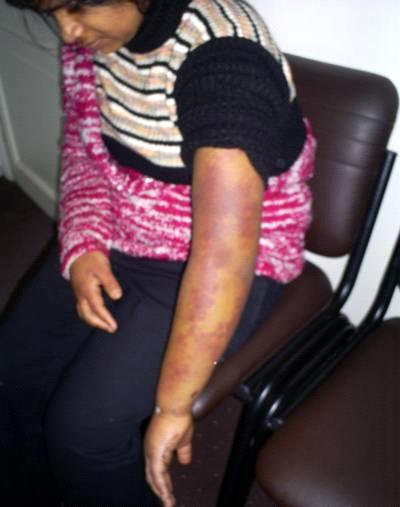
One of the Asian housemaids aged 22 years old, who arrived to Jordan in 2009, finally gathered her courage to file a complaint against her employers who she claimed to have beaten her. She states that she suffered hunger, and during the first two months on the job, her employer used to give her only a piece of bread daily and sometimes bits and pieces of leftovers. The brunette who headed to the embassy remembers her employer telling her “you are fat and you should not eat a lot.”
Housemaids who turn to their embassies remain there until their cases are solved with their sponsors or the offices that represent them, and then they are either sent back home or their situations are handled and they are sent back to their workplace.
Tamkeen (empowerment) Center for Legal Aid, which is a nongovernmental rights organization that defends migrant workers, declares receiving about 230 complaints last year filed by housemaids who were exposed to various types of violations and abuse. According to the head of the center, Linda Kilsh, 15 cases were directed to the judiciary, whereby 14 decisions concerning these cases were issued in favor of the housemaids, while other complaints were solved through a peaceful settlement with sponsors and the rest through a settlement with concerned parties.
Kilsh points out that the majority of maids who turned to the center were running away from the homes of their employers. She revealed that the complaints that were filed varied from exposure to beatings and forced labor and the confiscation of the maids’ passports.
The National Center for Human Rights receives complaints and solves them with concerned parties without turning to the courts. The said center states receiving about 500 complaints last year from runaways who had been exposed to beatings, physical abuse and the confiscation of their passports, and this is considered the highest percentage of complaints according to the center’s statistics.
Kilsh believes that including housemaids under the umbrella of the Labor Law in accordance with the latest amendments to it builds protection for these maids and legally guarantees their salary, the necessity of paying this salary entirely in accordance with the contract signed between the sponsor and the maid, providing them with annual and monthly leaves, as well as other rights that protect these maids from undergoing any violations. She also points out that the issue of maids’ rights is gradually becoming more clear, but many of them do not have the courage to file complaints either because they are afraid or because they do not have legal documents.
Furthermore, the majority of housemaids who file complaints to the center are runaways from the homes of their employers, because obstacles prevent them from filing complaints while they are living in the homes of their employers.
Those concerned with labor rights see that guarantees provided by the law are insufficient considering the absence of an instrument that monitors their application. Attorney Muhammad Al-Atrash states that the legal rights are clear, but the issue in question is how a maid can obtain her rights to approach concerned authorities and file a complaint when she is exposed to violation and abuse inside the home of her employer or by other concerned individuals. Al-Atrash believes that the adoption of an integrated work contract in conformity with national legislations might contribute to solving the cases of housemaids, limiting violations and abuses they are exposed to, and defining the responsibility of those who file complaints.
Experts state the necessity of issuing a legislation that guarantees the inspection of maids within the homes of their employers and conforming their working circumstances with national standards of work environments. These experts stress the necessity of this legislation due to the increase of suicide cases among housemaids, especially in cases where they throw themselves from high stories.
During the past few months, the Directorate of Public Security recorded about 18 suicide attempts among housemaids living in the homes of their employers and others in places where housemaids are gathered to be put on the market for work. According to Al-Atrash, the exploitation of housemaids, which sometimes leads to their abuse, leads a worrying number of them to commit suicide.
(Photo courtesy of Jordan Times)



 comment replay