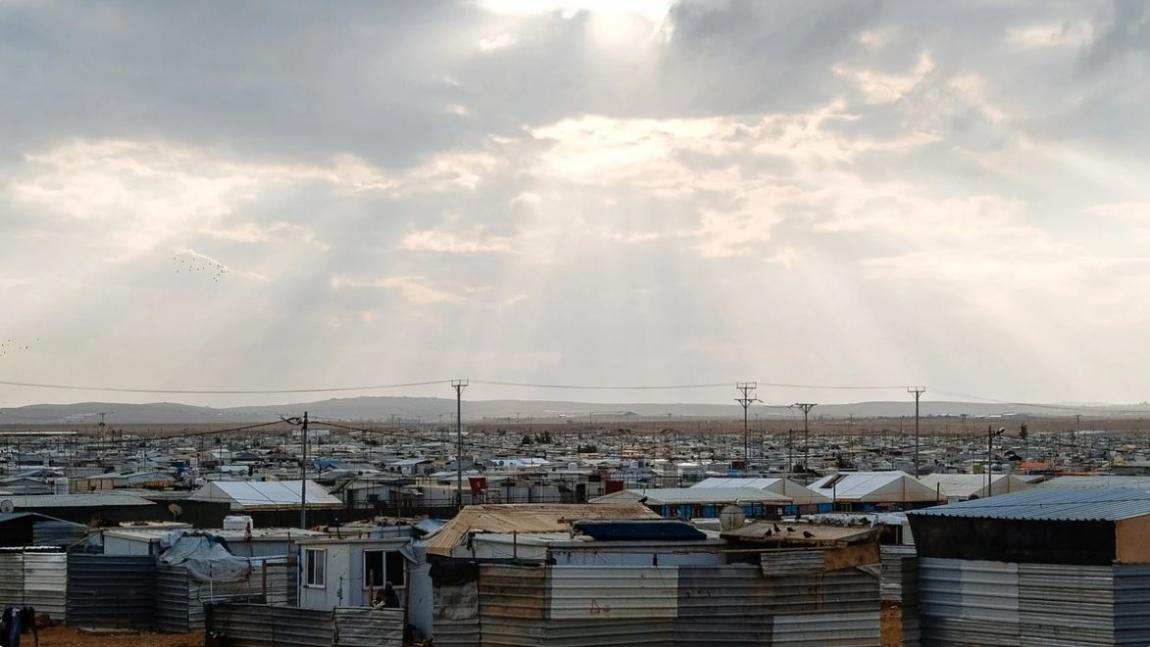
Ammon News - The number of Syrian refugees in Jordan fell by 12 percent by the end of June 2026, reaching 370,200, compared with the end of 2025, according to the UN Refugee Agency's (UNHCR) Mid-Year Trends 2026 report.
According to the report, Jordan ranked third among countries hosting Syrian refugees, after Türkiye, which hosts approximately 2.3 million refugees, and Lebanon, with around 889,600.
According to the latest UNHCR data, the agency's spokesperson in Jordan, Yousef Taha, said the number of Syrian refugees in Jordan stood at approximately 318,000 as of mid-November 2026, out of a total of more than 340,000 refugees of various nationalities.
Taha added that more than 238,000 Syrian refugees registered with UNHCR had voluntarily returned from Jordan to Syria between December 8, 2024, and mid-November 2026.
Jordan recorded the return of 58,000 Syrian refugees to their country during the first half of 2026, out of a total of 362,100 Syrian refugees who returned to Syria from various host countries during the same period, according to the report.
Jordan ranked third in terms of the number of refugees returning to Syria, after Lebanon, which recorded the return of 197,000 refugees, and Türkiye, with 105,100.
Those returning from Jordan accounted for approximately 16 percent of all Syrian refugees who returned to their country during the first half of this year.
Globally, the report said approximately 1.4 million refugees returned to their countries of origin during the first half of 2026, from 60 asylum countries to 75 countries.
Afghan refugees topped the list of returnees, with 396,500 people, followed by Syrians with 362,100, and Sudanese with 358,200.
The report noted that refugee returns do not necessarily mean that safety and sustainability have been achieved, as many returned under difficult circumstances, while returnees face challenges related to housing, employment, food, debt, documentation and services.
UNHCR said the report covers the period from January 1 to June 30, 2026, and presents the latest data and trends on refugees, asylum-seekers, internally displaced people and stateless persons worldwide.




 comment replay













 الرجاء الانتظار ...