Cabinet approves tougher anti-terrorism laws, investment reforms, national youth strategy
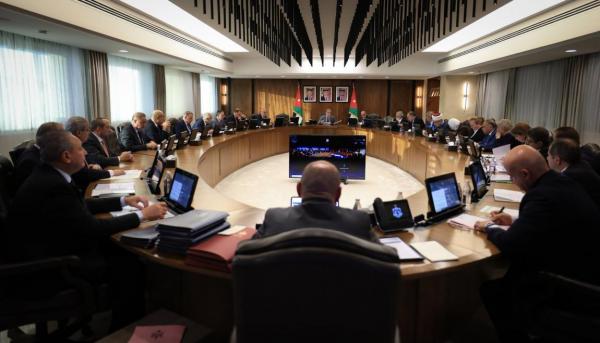
The Cabinet on Sunday approved several draft laws and regulations covering counterterrorism, investment, local administration, urban transport and youth development.
The Cabinet approved three draft laws aimed at strengthening penalties for terrorism-related offenses. The amendments to the Prevention of Terrorism Law, Correctional and Rehabilitation Centers Law and Juvenile Law will be referred to the House of Representatives for urgent consideration.
The proposed amendments would double minimum prison sentences for certain terrorism-related crimes, introduce cumulative sentences for multiple offenses and increase the calculation of imprisonment terms from nine to 12 months.
They would also restrict early release and allow courts to impose post-sentence security measures, including electronic monitoring, tracking and house arrest.
Penalties would also be increased for individuals who collaborate with, incite or assist terrorist activities, as well as for hate speech and conduct linked to terrorism.
In a separate decision, the Cabinet approved amendments to the Investment Environment Regulation for 2026, aimed at attracting foreign investment by easing ownership restrictions in trade and transport.
The changes would allow greater foreign ownership in selected sectors, including wholesale trade, freight transport, international passenger transport and maritime shipping. Eligible companies include those listed on global financial markets and firms with annual sales exceeding JD500 million.
The government said the changes are intended to increase competition, expand consumer choices, improve services and supply chains and create employment opportunities.
The Cabinet also approved a draft amendment to the Greater Amman Municipality Law to align it with the Local Administration Law No. 16 of 2026.
The amendments cover voter eligibility, voting procedures, candidacy requirements and women's representation in municipal councils. They also seek to increase women's representation to 30%, strengthen electoral fairness and improve consistency in local election procedures.
Additionally, the Cabinet approved the rationale for a draft regulation governing micro-mobility vehicles in Greater Amman. The proposed rules would establish licensing, operating, safety, maintenance and insurance requirements for services involving small-scale transport vehicles.
The regulation would also designate suitable routes and parking areas to protect pedestrians and other road users. The initiative aims to expand sustainable transport options and complement, rather than replace, public transport.
The Cabinet further approved the National Youth Strategy for 2026–2030, targeting young people aged 10 to 35 across Jordan's governorates.
The strategy aims to improve youth participation and measure the impact of government and community programmes through clear indicators and defined targets. It was developed based on the 2025 National Youth Survey and consultations with young people across the Kingdom.
The strategy focuses on five pillars: active citizenship; culture and creative arts; learning and future-readiness; economic empowerment; and health, well-being, sports and physical activity.
It seeks to coordinate the efforts of government institutions, the private sector, civil society, educational institutions and municipalities to expand opportunities for young people and strengthen their role in Jordan's social and economic development.
comments
Cabinet approves tougher anti-terrorism laws, investment reforms, national youth strategy

comments