€123 million for Madaba wastewater treatment plant expansion
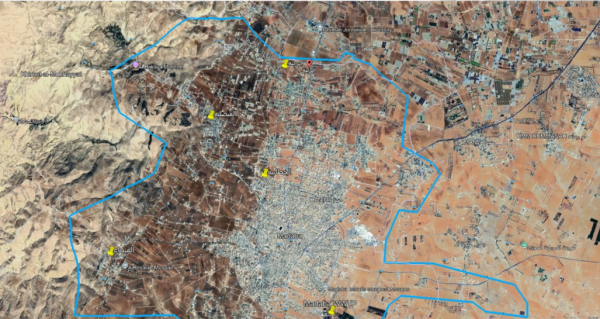
Madaba Water Directorate Director Mufid Al-Louzi said the recently approved €25 million grant is part of a broader €123 million project aimed at expanding the Madaba wastewater treatment plant and rehabilitating and expanding sewage networks in the governorate.
Al-Louzi said the project financing came after the Cabinet’s approval last week of a €25 million grant agreement with the French Development Agency (AFD), provided by the European Union, while the full cost of the project is covered through loans from AFD and the German Development Bank (KfW), totaling €97 million.
He added that the project includes the expansion of sewage networks in Madaba, upgrading the treatment plant, and constructing transmission lines to enable the reuse of treated water for agricultural purposes.
Al-Louzi noted that implementation is expected to begin in the first quarter of next year and will continue for three years.
He said the project is expected to serve around 200,000 residents, through the establishment of a new treatment facility with a capacity of 16,000 cubic meters per day, in addition to expanding and rehabilitating existing sewage networks and enhancing the reuse of treated water in restricted agricultural uses, including fodder crops.
The project aims to improve wastewater management, support environmental protection, and increase the reuse of treated water, helping reduce pressure on natural water resources. Petra
Madaba Water Directorate Director Mufid Al-Louzi said the recently approved €25 million grant is part of a broader €123 million project aimed at expanding the Madaba wastewater treatment plant and rehabilitating and expanding sewage networks in the governorate.
Al-Louzi said the project financing came after the Cabinet’s approval last week of a €25 million grant agreement with the French Development Agency (AFD), provided by the European Union, while the full cost of the project is covered through loans from AFD and the German Development Bank (KfW), totaling €97 million.
He added that the project includes the expansion of sewage networks in Madaba, upgrading the treatment plant, and constructing transmission lines to enable the reuse of treated water for agricultural purposes.
Al-Louzi noted that implementation is expected to begin in the first quarter of next year and will continue for three years.
He said the project is expected to serve around 200,000 residents, through the establishment of a new treatment facility with a capacity of 16,000 cubic meters per day, in addition to expanding and rehabilitating existing sewage networks and enhancing the reuse of treated water in restricted agricultural uses, including fodder crops.
The project aims to improve wastewater management, support environmental protection, and increase the reuse of treated water, helping reduce pressure on natural water resources. Petra
Madaba Water Directorate Director Mufid Al-Louzi said the recently approved €25 million grant is part of a broader €123 million project aimed at expanding the Madaba wastewater treatment plant and rehabilitating and expanding sewage networks in the governorate.
Al-Louzi said the project financing came after the Cabinet’s approval last week of a €25 million grant agreement with the French Development Agency (AFD), provided by the European Union, while the full cost of the project is covered through loans from AFD and the German Development Bank (KfW), totaling €97 million.
He added that the project includes the expansion of sewage networks in Madaba, upgrading the treatment plant, and constructing transmission lines to enable the reuse of treated water for agricultural purposes.
Al-Louzi noted that implementation is expected to begin in the first quarter of next year and will continue for three years.
He said the project is expected to serve around 200,000 residents, through the establishment of a new treatment facility with a capacity of 16,000 cubic meters per day, in addition to expanding and rehabilitating existing sewage networks and enhancing the reuse of treated water in restricted agricultural uses, including fodder crops.
The project aims to improve wastewater management, support environmental protection, and increase the reuse of treated water, helping reduce pressure on natural water resources. Petra
comments
€123 million for Madaba wastewater treatment plant expansion

comments