Ammon News - Two museums in Glasgow have removed the remains of Egyptian mummies from display over ethical concerns, according to BBC.
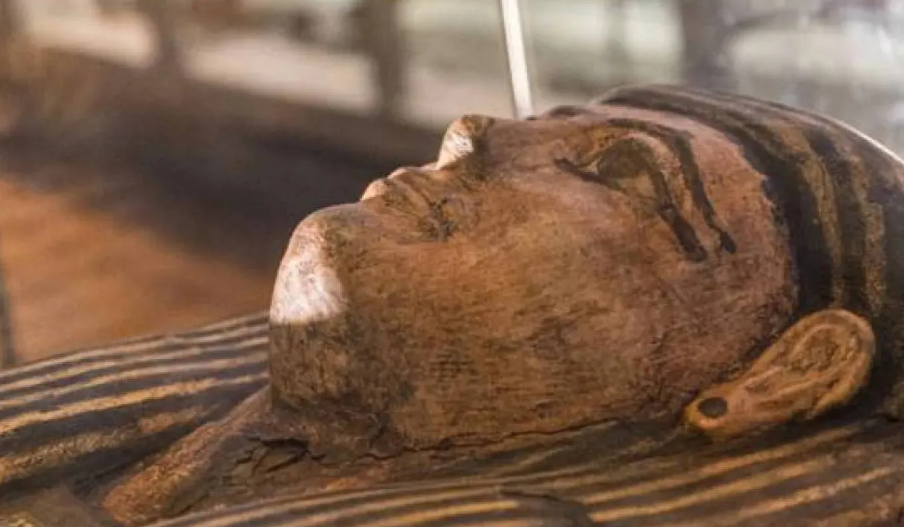
The mummified corpse of the priest Nekht was taken out of public view at Kelvingrove Gallery, while The Hunterian Museum has covered Lady Shep-En-Hor's body in a specially designed textile to protect it from being seen by visitors.
The institutions said the decisions followed a reassessment of their duty of care towards the deceased.
It comes after the International Council of Museums (Icom) revised its code of ethics, recommending that the “inherent dignity” of human remains be upheld.
Both museums said they would consider repatriation of the remains should they receive an approach from a country or institution.
Despite the new code of ethics, there is no uniform approach across Scotland's museum sector with different institutions given leeway on how to implement it.
Nekht is thought to have lived at some point between 1985 and 1797 BC and was excavated at Beni Hasan in Middle Egypt during digs carried out in the early 20th century.
The remains were donated to the city of Glasgow in 1923.
A spokesperson for Glasgow Life said the withdrawal of the remains “reflected contemporary museum practice.”
They added a new draft human remains policy proposed that they were only displayed “where there is documented and informed consent from the deceased individual or, in appropriate circumstances, their descendants.”
They said a parliamentary group on African repatriation had highlighted “ethical concerns” over the display of such remains due to the “constant disregard” of potential wishes and intentions of ancestors who buried them.
Meanwhile, The Hunterian said it had sought advice from Egyptologists before protecting Lady Shep-En-Hor's remains as part of a “commitment to becoming a more ethical institution.”
A spokesperson for the museum, managed by the University of Glasgow, said the conclusion of that consultation led to the view Lady Shep-En-Hor “deserved privacy in death.”
Her ornate sarcophagus, which has been on display almost continuously since 1820, will remain on public view as a “fine work of late period ancient Egyptian funerary art.”
Lady Shep-En-Hor has never been removed from the coffin, but has been X-rayed and CT scanned in the last 50 years.
In the 1970s, several theories were put forward questioning whether the remains in the coffin were actually those of Lady Shep-En-Hor.
The Icom code, which was revised in June, states museums should “uphold the inherent dignity of human remains and promote respect for their significance.”
It adds: “Decisions about these items and collections should be made in collaboration with descendants or communities from which they originate, if known.”



 comment replay












 الرجاء الانتظار ...