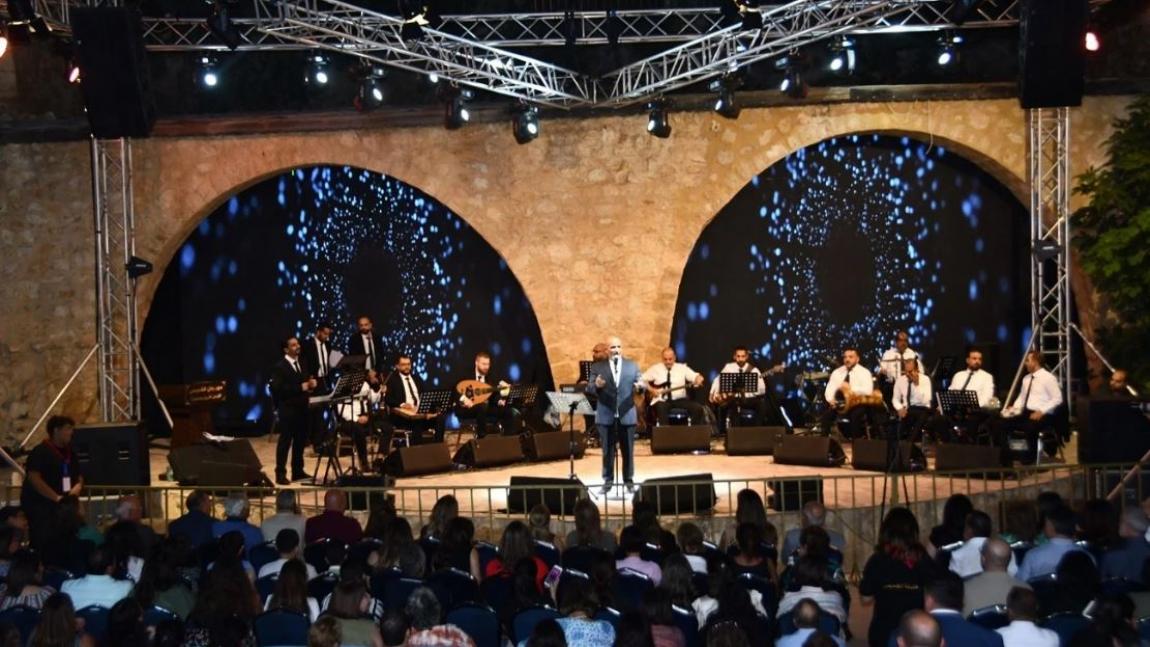
Ammon News - The 33rd edition of the Fuheis Festival showcased the city's tourism and archaeological heritage, particularly the architectural style of its arches, which later became a stage for artistic events, and Dart Hamza, which hosted people with disabilities to integrate them into festival activities and showcase their artistic talents.
The festival drew crowds to the Khaled Muneizel platform at the Greek Orthodox Church Museum, where the city's storied past blended with decades-old heritage buildings, reflecting the authenticity of its old houses and drawing visitors' attention.
In remarks to "Petra" Tuesday, several festival attendees said Fuheis, like other Jordanian cities, holds many historic buildings, churches and arcades, some dating to the early 20th century.
The visitors noted that the festival gave the city cultural and touristic prominence and had a "positive" impact on the community by strengthening a sense of belonging and pride in identity, in addition to boosting the local economy.
Alida Madanien, head of the Heritage House for Arts Association in Fuheis, said the festival presented a series of Jordanian narratives across cultural, tourism, heritage and artistic fields, documenting authentic Jordanian heritage and the figures who left a clear mark on building and developing the Jordanian state.
She said the festival "prominently" involved women, particularly in preparing traditional dishes and displaying handicrafts, among other activities showcasing authentic Jordanian heritage.
She added that the festival helped highlight beauty of Fuheis and its heritage buildings and spotlighted its customs and traditions, making it an "key" destination for visitors and tourists.
She said the diverse activities created an atmosphere of joy and interaction, blending authenticity with modernity and bringing happiness to residents and visitors from various regions.
Yasser Akroush, owner of Dart Hamza, said the festival represents a "crucial" national milestone in Jordan's history and deserves support for the national, heritage and cultural identity, which presents Jordan's image as a country of history, civilization and openness to the world.
During its around decade-long participation in festival, he said Dart Hamza has offered traditional dishes, empowering Jordanian women and preserving national heritage.
He added that the idea behind the house grew out of the experience of his son, Hamza, who has autism, aiming to build his capabilities and integrate him into society away from isolation.
He said people with different abilities possess "outstanding" skills and potential, noting that the house, which was restored and converted into a community center, is open free of charge year-round and hosts cultural, artistic, musical and poetry activities, providing a space for learning, interaction and community participation.
Meanwhile, Elin Samairat, president of the Young Women's Christian Association in Fuheis, said this year's festival was distinctive, blending past and present as part of the Jordanian narrative, reflecting diverse cultures and the customs of Fuheis and Jordan, and giving women the opportunity to display and market homemade products at bazaars held throughout the festival.



 comment replay











 الرجاء الانتظار ...