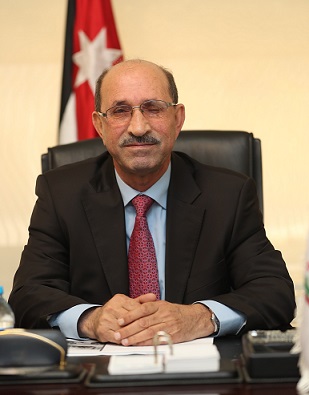
Dr. Hamed Kasasbeh
The non-oil Arab economies are going through a critical phase that extends beyond numbers to the deep connection between economic growth and social stability. Unemployment reached about 11% in 2024, while public debt averaged around 80% of GDP, the current account deficit hovered near 5%, and the average growth rate barely exceeded 2.5%. These figures reveal a fragile production base and a widening gap between what the economy provides and what citizens expect in terms of jobs and decent living. Genuine reform has become an urgent necessity before these challenges turn into threats to domestic stability.
The traditional social contract that prevailed for decades is no longer able to keep up with modern realities. Today’s economy needs competence, not favoritism, and participation, not dependency. The problem lies not in the absence of policies, but in the lack of capable and accountable economic administrations willing to take bold decisions away from narrow interests. Without a renewal of economic management, reforms will remain limited in impact and unable to turn challenges into opportunities.
Although several fiscal reforms have been implemented in recent years, most focused on the demand side by reducing spending and increasing revenues under IMF programs, without parallel reforms on the supply side or within the production structure. As a result, despite improved fiscal indicators on paper, growth remained weak, job creation scarce, and purchasing power eroded. Correcting the course requires structural reforms in labor markets, taxation, finance, and value chains to reorient economies toward productivity and competitiveness.
Unemployment and poverty are no longer merely social issues but structural symptoms of inequality in opportunity and wealth distribution. Any economy that fails to achieve fairness in outcomes eventually faces a crisis of economic and political legitimacy. For this reason, comprehensive and fair reform has become essential to rebuilding the social contract and meeting the aspirations of Arab youth. According to the Arab Barometer survey of 2024, around 47% of young people in non-oil Arab economies are considering emigration due to limited opportunities and lack of hope for the future.
It is time for these economies to shift from a public employment model to one based on production and skills. Growth is not achieved by expanding the public sector, but by investing in technical education, developing human capital, and linking training programs to productive sectors. Public spending should focus on productive infrastructure rather than activities that do not create real added value.
The private sector plays a central role in any genuine reform process, especially given the limited financial and administrative capacities of governments. Empowering it to invest, produce, and employ is the most sustainable path to expanding the production base and achieving inclusive growth. This requires a supportive business environment, modern legislation, access to financing, and effective partnerships with the public sector in infrastructure and major projects.
The success of economic reform is not measured solely by the state’s ability to balance its budget, but by its capacity to expand the productive base and enhance competitiveness. Sustainable development starts from within—from sectors that create value and reduce dependence on external sources. What the region needs today is a new generation of competent and visionary economic leadership capable of planning for the future rather than merely managing crises.
In a rapidly changing global landscape, digital transformation and the green economy are no longer optional—they are essential pillars for the future of non-oil Arab economies. They connect limited resources with expanding ambitions and enable countries to shift from consuming technology to producing it. However, unbalanced automation, while improving productivity, may reduce jobs in traditional sectors, making it critical to achieve a delicate balance between efficiency and employment.
On a broader level, strengthening Arab economic integration represents a genuine opportunity to support non-oil economies through expanding intra-Arab trade and channeling Gulf investments into joint productive sectors. Cooperation between the two sides can transform financial surpluses into sustainable development projects that achieve integration rather than dependency and promote balanced regional growth.
Investing in Arab human capital is no longer a developmental choice—it is the key condition for stability and growth. Quality education, vocational training, and youth empowerment through innovative employment policies are the real foundations for transforming non-oil Arab economies from fragility to capability and from dependency to production. The region now stands at a critical crossroads: either reforms are translated into inclusive national projects that rebuild trust between the state and society, or these economies remain trapped in the cycle of debt and unemployment, risking both economic and political stability.
In conclusion, delaying genuine reform does not only mean continued economic decline—it also carries growing political and social risks. It could make the non-oil Arab economies vulnerable to new waves of public unrest, potentially more intense than the previous Arab Spring, if reforms fail to translate into tangible improvements in living standards, employment, and participation. Economic reform is no longer an administrative luxury; it is the last line of defense against deepening crises and the widening gap between the state and society.



 comment replay











 الرجاء الانتظار ...