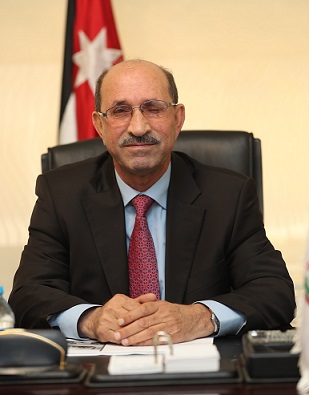
Dr. Hamad Kasasbeh
The Aqaba Special Economic Zone was launched in 2001 as a gateway for Jordan’s economy. It was meant to boost investment, create jobs, and increase exports. The city had strong infrastructure and wide legal incentives, raising expectations that it would become a success story similar to Jebel Ali in the UAE or Tangier Med in Morocco. Yet, more than twenty years later, its contribution to GDP has remained around 3% — a modest figure compared to investments that exceeded $20 billion.
The main problem is that Aqaba has stayed largely isolated from the national economy. Instead of becoming a logistics and industrial hub linked to global trade, its activities have focused mainly on real estate and tourism. These sectors have limited value-added and weak job creation. As a result, people in the south have not felt the real impact of these investments, with unemployment staying high and regional gaps in development still visible.
When compared to regional examples, the gap is striking. Tangier Med boosted Morocco’s exports by more than $15 billion in a decade. Jebel Ali contributes over 20% of Dubai’s non-oil trade. Aqaba, however, still plays only a small role in Jordan’s exports and public revenues. These figures raise a serious question: why has Aqaba remained outside global trade and value chains until now?
Part of the answer lies in missing projects. Railway connections and smart port upgrades have not materialized, leaving Aqaba on the margins of regional logistics shifts. With massive projects like NEOM and new ports in Saudi Arabia and Egypt, Aqaba risks losing its competitive edge if it does not modernize quickly.
On the other hand, the Blue Economy Initiative, launched recently by His Majesty the King, is a chance to reshape Aqaba’s role. The Red Sea offers huge potential in marine tourism, aquaculture, and sea-related industries. Yet these sectors remain underused. If properly developed, the blue economy could become a new growth engine, creating jobs in the south and raising Aqaba’s national contribution.
Another challenge is governance. Multiple authorities and overlapping responsibilities have created weak coordination and inconsistent policies. This has hurt investor confidence. What is needed is a unified governance model that links Aqaba to national economic strategy and gives investors one clear reference.
Investment incentives also need redesign. Incentives were given broadly, without tying them to clear performance indicators like local jobs, export share, or knowledge transfer. As a result, most investments went into low-value sectors, while industry and technology remained weak. Linking incentives to productive outcomes is essential if Aqaba is to deliver stronger impact.
Still, recent government steps cannot be ignored. These include expansion and maintenance of the port, infrastructure upgrades, linking Aqaba to the National Water Carrier Project, and supporting industries like phosphate and potash. These are positive measures, but their effect will remain limited unless they are embedded in a wider strategy that integrates Aqaba into the national economy.
Equally important is investing in people. Universities and technical institutes in the south should be connected to Aqaba’s projects to prepare skilled workers locally. This would reduce dependence on imported labor and give young Jordanians real opportunities. Linking Aqaba to nearby governorates is also necessary to spread development more fairly and strengthen social balance.
In the end, Aqaba’s challenge is not about lacking potential but about missing integration and clear planning. Its unique location, strong infrastructure, and marine resources make it a strategic asset. But this asset will only matter if Aqaba is tied closely to Jordan’s Economic Modernization Vision, which seeks to raise productivity and share development gains more evenly. With better governance, targeted incentives, and firm political will, Aqaba can still become a regional hub for trade, services, and the blue economy — moving from the margins of experience to the heart of Jordan’s development model.



 comment replay












 الرجاء الانتظار ...