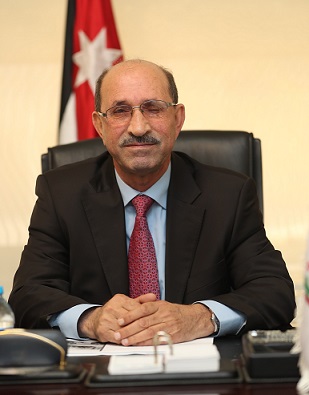
Dr. Hamad Kasasbeh
How can any country plan its social and economic policies without knowing how many of its people live in poverty? This is the question in Jordan, where no updated poverty data has been published since 2010. The lack of numbers does not mean poverty is gone. It only shows weak recognition, as if poverty is a secondary issue that can be delayed.
This absence is tied to the wider economy. Since 2011, real growth has not gone above 3%. It barely matches population growth. As a result, per capita income has dropped, the middle class has shrunk, and unemployment has stayed above 21%. Without strong policies that create productive and lasting jobs, poverty becomes a natural outcome, not a temporary crisis.
The government’s economic vision and social strategies have touched on poverty indirectly. They focus on jobs, better living standards, and support for vulnerable groups. Yet, the main challenge is the lack of updated and transparent data about poverty levels. Programs and initiatives are useful, but without accurate figures, society, researchers, and policymakers cannot measure their impact. This shows the need to align announced policies with greater transparency and regular disclosure.
In Jordan, poverty is no longer only about income. It has become multidimensional. It limits access to good education, decent healthcare, and secure housing. It also reduces opportunities for women and youth. But current policies do not apply the “multidimensional poverty” approach used in many countries. This leaves large parts of society invisible in official records.
Poverty also passes from one generation to the next. Children of poor families face limited chances in education and work. Without action, they remain trapped in the same cycle. Investing in quality education and vocational training is the best way to break this cycle and give young people hope for the future.
Regional gaps make the problem worse. Poverty rates are higher in governorates far from the capital. These areas lack infrastructure, investments, and services. The added pressure of refugees has made poor families even more fragile. At the same time, compensatory policies remain weak and limited.
Women are another key dimension. They are often the most exposed to financial fragility. But they are also part of the solution. Empowering women increases family income, raises productivity, and supports growth. Global experience shows that higher female participation in the labor market leads directly to lower poverty.
The economic and social cost of poverty is also heavy. Poverty weakens productivity, increases government aid bills, and reduces public trust in institutions. It can also increase crime and social tensions, which threaten stability. For youth, poverty often creates frustration and pushes them toward migration or withdrawal from the economy, wasting their potential.
Environmental challenges make the situation even harder. Water shortages, desertification, and rising food prices hit the poor first. But investment in green growth—renewable energy, smart farming, and sustainable projects—can turn risks into opportunities. They can create jobs and reduce reliance on imports.
International experience shows that solutions begin with transparency. In Brazil, the Bolsa Família program reduced poverty by linking cash aid with education and health results. In Morocco, the National Initiative for Human Development narrowed the gap between cities and villages through small projects and rural infrastructure. Georgia built a national online platform that updates poverty data every year and links aid to family progress in education and health.
In Jordan, independent studies estimate that poverty affects more than 20% of the population. This does not reflect income alone, but also the decline in living standards and rising social stress. What is needed now is a National Observatory for Poverty and Social Justice. It should be independent, transparent, and publish open data. Social aid programs, such as the National Aid Fund, will remain limited unless they are part of a broader vision that moves from temporary care to long-term empowerment and aligns with the Sustainable Development Goals.
Poverty is not just a number. It touches dignity, stability, and trust. Every delay in facing it weakens society and postpones peace. Putting poverty at the center of national priorities is no longer a choice. It is a necessity for building a fairer and stronger future for all Jordanians.



 comment replay











 الرجاء الانتظار ...