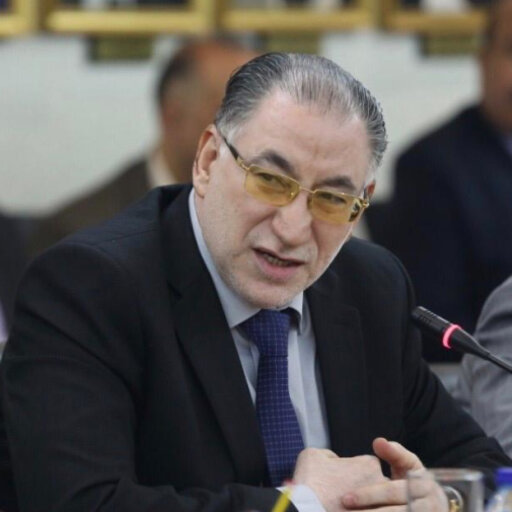
Hasan Dajah
Amid the political and social transformations taking place in Israel, a clear shift in public opinion has recently emerged. A growing number of citizens, intellectuals, and activists have begun to express their dissatisfaction and rejection of the policies pursued by the Netanyahu government, which is led by the far-right, and which have taken dramatic steps toward the Palestinians in Gaza and the West Bank. This phenomenon comes at a time when Israel is witnessing a wave of protests and public statements by prominent academic and artistic figures. In a letter sent by 31 figures with national and cultural affiliations, they condemned the regime's policies, accusing it of starving the people of Gaza to death and seeking to displace them from their land.
The political landscape in Israel has long been characterized by a diversity of opinions and profound differences between liberal and right-wing factions. However, recent years have witnessed a marked shift, as a growing segment of Israeli society has begun to recognize the long-term humanitarian and political consequences of the hardline policies toward the Palestinians. This change is the result of several factors, most notably global media coverage and academic research that has revealed the impact of the blockade and military operations on the daily lives of Gaza residents, in addition to the impact of the current government's punitive policies.
In a recent press letter reported by The Guardian, 31 figures from Israeli academic and artistic circles declared their explicit rejection of government policies that have dire humanitarian consequences for the Palestinian people. The statement included serious accusations, indicating that the Israeli government is adopting a policy of starving the population of Gaza, leading to severe suffering and the possibility of an inevitable humanitarian tragedy. The letter also indicated a deliberate intention to displace Palestinians from their lands, a move that appears at first glance to be part of a broader strategy for demographic change in the disputed territories.
This letter represents a pivotal moment in the history of internal criticism within Israel, as political activists and cultural groups address the Israeli public about the need to reconsider policies that only lead to further division and violence. What is surprising is that the number of these figures reaches 31, reflecting the extent of the concern felt by the intellectual and artistic elite within Israeli society regarding the rapid changes imposed by the government.
The current government's policies, especially in light of the ongoing tensions with the Gaza Strip, are exacerbating the humanitarian crisis facing the Palestinian people. The imposed blockade, along with repeated military operations, has contributed to an extremely difficult living environment, with declining living standards and diminishing economic, health, and educational opportunities for the population of the Strip. It has been observed that these policies have not contributed to achieving the stated political goals, but have instead led to increased hatred and violence between the conflicting parties, creating a cycle of revenge and defensiveness that is difficult to break.
In this context, the letter of the Israeli figures highlights the suffering of the people of Gaza and calls for a radical change in the political approach, based on the principles of human rights and justice. They believe that the continuation of current policies will not lead to any positive results and will instead keep the wound open for decades to come, negatively impacting the stability of the entire region. The shift in Israeli public opinion today is not merely a symbolic expression of opposition; it is an urgent call to reconsider national policies with far-reaching political and humanitarian consequences. Those who advocate for change see the hardline government's strategy of economic and military isolation as a dead end toward peace and justice. It is worth noting that these intellectual and media voices are calling for a serious and comprehensive dialogue between all concerned parties, both within Israel and with the Palestinian side, ensuring respect for human rights and preserving the dignity of the people. Numerous reports have highlighted a growing desire among citizens to reach political solutions that include a just and comprehensive settlement that ends the ongoing cycle of violence and conflict.
Despite the significant rise in opposition voices within Israeli society, the path to changing the government policies adopted by the Netanyahu regime remains fraught with challenges. Hardline political factions are reluctant to make concessions easily, and the security and political establishments may remain committed to their paths despite domestic and international condemnation.
However, past political experiences demonstrate that change can come from within the regime itself, when public pressure and educated opponents become a driving force for genuine reform. Social dialogue, the media, and civil society can play a fundamental role in bringing about this transformation, especially if they can present an alternative vision based on the values of justice, equality, and freedom.
The letter from the 31 figures, which came from Israeli academic and artistic circles, reflects the current state of discontent and anger within Israeli society regarding the policies pursued toward the Palestinians, particularly in Gaza. It is a call for all parties to carefully consider the implications of hardline political paths and to confront the difficult humanitarian reality facing the people of Palestine. True peace cannot be achieved if the processes that disrupt the balance of human life continue. Rather, it requires a just and comprehensive political solution that guarantees the rights of all, while respecting the human dignity of every individual, whether Israeli or Palestinian.
The shift in Israeli public opinion represents an important step toward opening a new door to dialogue and rebuilding trust between neighboring peoples. This may be the path to a future of peace and stability in a region long plagued by conflict and pain. The question remains: Will the authorities respond to these peaceful voices and end the cycle of violence, or will the situation continue to deteriorate further? Only time will tell the future of this inhumane Israeli dictatorial process.
Hasan Dajah is professor of Strategic Studies at Al-Hussein Bin Talal University



 comment replay












 الرجاء الانتظار ...